
TL;DR

Get workout gear delivered free with Prime
- Fast, free delivery on millions of items
- Prime Video, Amazon Music and more included
- Member-only deals all year
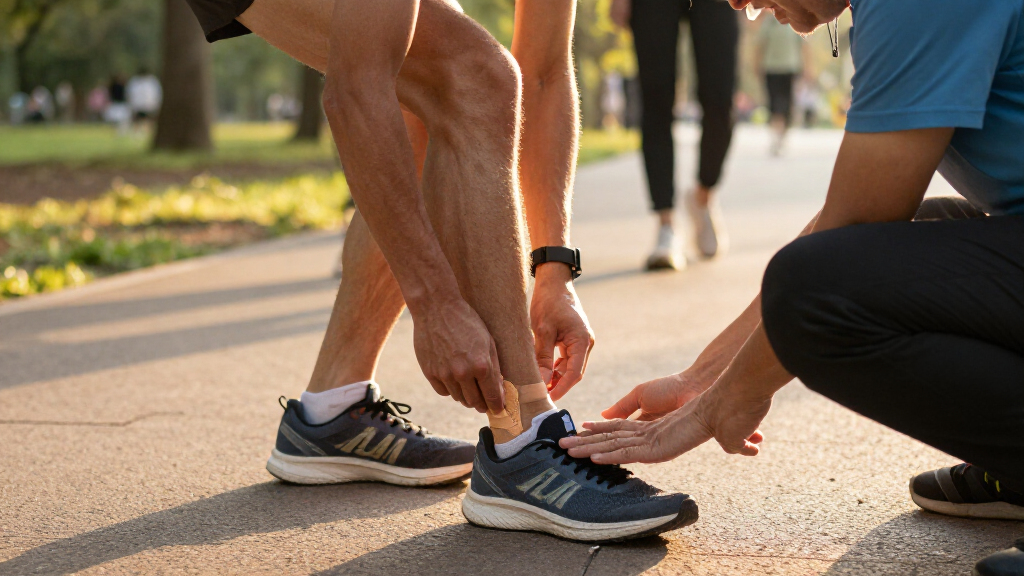
Podiatrist Steven Thomas identifies plantar fasciitis, Achilles tendinopathy and toenail trauma as three common injuries he sees among walkers and runners. He advises gradual training increases, recovery time, strengthening and well-fitting footwear; worsening or persistent pain should be assessed rather than ignored.
Podiatrist Steven Thomas has outlined three injuries he commonly encounters among walkers and runners: plantar fasciitis, Achilles tendinopathy and toenail trauma. In guidance published by Fit&Well, he describes symptoms to watch for and says gradually increasing training, allowing recovery and choosing well-fitting footwear can help reduce the risks.
Plantar fasciitis commonly causes pain beneath the heel, according to Thomas. It may be worse when standing after rest, ease after a few steps, then return following extended walking, running or standing. He recommends increasing mileage gradually and strengthening and improving flexibility in the lower leg, ankle and foot. His suggested exercises include straight-knee and bent-knee calf raises two or three times a week.
Achilles tendinopathy can cause pain at the back of the heel, either where the tendon attaches to the heel bone or along its middle section. Thomas says people may notice morning stiffness or tenderness, and sometimes visible thickening. Symptoms may ease while the tendon is active but return later or the next morning. He recommends progressively strengthening the calves, gentle stretching when they feel tight, avoiding sudden changes in distance, speed or hill training, and leaving time to recover between sessions.
Toenail trauma may involve pain, throbbing or visible damage, including bruising beneath a nail, horizontal ridges, splitting or lifting. Thomas links the problem to pressure and movement inside poorly fitted running shoes. He advises choosing shoes with enough length, width and depth at the toes, while securing the heel and midfoot. Keeping nails short and filed, wearing well-fitted moisture-wicking socks and testing the shoe-and-sock combination before a long outing are also among his recommendations.
How Training Choices Affect Foot Injuries
The advice matters because increasing mileage too quickly or failing to recover between sessions can raise the risk of overuse injuries, Thomas says. Symptoms in the heel or toenails may affect someone’s ability to keep walking or running, while continuing to train through worsening pain can make it harder to judge what activity is tolerable.
Thomas advises watching how symptoms change during exercise, afterwards and the following day. Pain that worsens over time, changes a person’s gait or fails to settle between sessions may indicate that their training load is beyond what their body can currently handle. These are general warning signs, not a diagnosis; the source does not provide injury rates or evidence comparing prevention methods.
Products Worth Considering

Fitbit Versa Smart Watch – Black Aluminum, One Size (S & L Bands Included)

Garmin Forerunner 55 GPS Running Smartwatch, Black

Garmin Forerunner 70 GPS Running Smartwatch, 43 mm, Black
As an affiliate, we earn on qualifying purchases.
The Three Problems Thomas Sees
The Fit&Well report presents these conditions as three common injuries Thomas encounters in his clinic, rather than as a ranked list or a survey of all walkers and runners. It does not give figures showing how frequently each injury occurs across the broader population.
Thomas is described by Fit&Well as a London-based certified podiatrist and foot and ankle specialist, with a podiatry degree and a master’s degree in the theory of podiatric surgery. The report says he is a member of the Royal College of Podiatry and registered with the Health and Care Professions Council.
“The body adapts to increased activity, but only when the increase is matched by sufficient recovery.”
— Steven Thomas, podiatrist, as quoted by Fit&Well
When Foot Pain Needs Assessment
The report does not establish that these are the three most common injuries across all walkers and runners; it says they are among the injuries Thomas encounters in his clinic. No prevalence figures, comparison group or research method are supplied, and the source does not give a publication date.
Foot pain can have different causes, and the article’s symptom descriptions cannot confirm a diagnosis. Thomas says a clinical examination and gait analysis may help distinguish causes; in some cases, he says, a weight-bearing X-ray may be used. It is not clear from the report how often imaging is needed or which treatment would apply to an individual.
Responding to Persistent Symptoms
Thomas advises not simply walking or running through warning signs. If pain worsens, changes walking or running mechanics, does not settle between sessions or begins to affect normal walking, he recommends having it assessed. The report also cautions against forcing a genuinely arthritic joint through a painful range of motion.
Walkers and runners can monitor symptoms during activity and over the following day, adjust training when pain is not settling, and review footwear and recovery habits. Persistent or function-limiting pain warrants professional assessment; the source does not set out a fixed timeline for seeking care or a single treatment plan for these conditions.
Key Questions
Which three injuries does the podiatrist describe?
Steven Thomas identifies plantar fasciitis, Achilles tendinopathy and toenail trauma as three common injuries he encounters among walkers and runners.
What can plantar fasciitis feel like?
Thomas says it typically causes pain beneath the heel, often worse when standing after a period of rest. It may ease after a few steps and return after longer periods of walking, running or standing.
How can runners reduce the risk of toenail trauma?
Thomas recommends shoes with enough toe-box length, width and depth that also hold the heel and midfoot securely. He also advises keeping toenails short and filed, wearing well-fitted moisture-wicking socks and testing the combination before a long distance.
When should foot pain be checked?
Thomas says pain that progressively worsens, changes the way someone walks or runs, or does not settle between sessions should prompt a reassessment. He recommends clinical assessment if symptoms persist or begin to affect normal walking.
Source: rss