
TL;DR
Many beginners feel lost in the gym because of unfamiliar equipment, confusing routines, and sensory overload. Understanding these common hurdles and applying straightforward strategies makes starting your fitness journey easier and more enjoyable.
Why Most People Feel Lost in the Gym at First
TL;DR Many beginners feel lost because the gym combines unfamiliar equipment, confusing routines, and sensory overload. The fix is not more intensity. It is fewer choices, better form, and a simple plan you can repeat.
Confusion is not failure. It is your brain mapping a new environment.
Exercises are enough to begin building confidence.
Minutes keeps the first routine manageable and repeatable.
Trying every machine at once creates decision fatigue.
Simple movements beat complicated routines early on.
The first visit overloads your attention.
Bright screens, clanging weights, unfamiliar machines, and confident-looking regulars can make the gym feel like a city without street signs. Your job is not to decode the whole place on day one. Your job is to find one useful path through it.
Too many signals
Noise, movement, mirrors, and machines compete for attention. That scattered feeling is a predictable response to a busy new setting.
Tools without context
A machine can look technical before you know what muscle it trains or how the movement should feel.
Everyone seems fluent
Regulars may look certain because they have repeated the same basics for months or years. Fluency comes after repetition.
Amazon Product B081TQB6BC
As an affiliate, we earn on qualifying purchases.
Trying to master the whole gym at once is the fast lane to burnout.
When every rack, cable station, treadmill, and routine looks equally important, your mental energy drains before the workout even starts. Shrinking the choice set is the move.
Pick a goal
Strength, fat loss, energy, or general health. One goal gives your workout a direction.
Choose basics
Squats, push-ups, planks, treadmill walks, and simple dumbbell work cover a lot.
Learn form
Use a trainer, short tutorial, or gym intro session before loading up weight.
Repeat weekly
Three short sessions build confidence more reliably than one heroic workout.
Track wins
Notes make progress visible, which turns the gym from confusing to familiar.
Confidence grows as the routine gets simpler.
Amazon Product B0D9584NKN
As an affiliate, we earn on qualifying purchases.
What to use first, what to ignore for now.
You do not need every piece of equipment to start. Focus on versatile tools that teach movement, then add complexity once your body knows the pattern.
| Equipment | Beginner Value | Use First? | Why It Matters |
|---|---|---|---|
| Treadmill or brisk walking | Simple cardio base | ✓ Yes | Easy to understand, easy to scale, and low decision load. |
| Bodyweight movements | Movement control | ✓ Yes | Squats, planks, and push-ups build awareness before heavy loading. |
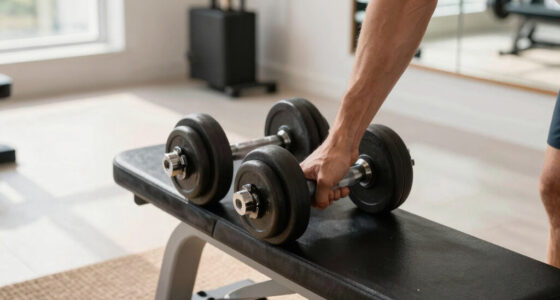
| Basic dumbbells | Strength foundation | ✓ Yes | Flexible, scalable, and useful for simple full-body routines. |
| Complex cable setups | Useful later | ~ Later | Great tools, but easier after you understand target muscles and form. |
| Every machine in one session | Overwhelm trigger | ✗ Skip | Too many choices can drain motivation and increase poor-form risk. |
Cutting choices creates momentum.
A beginner routine works best when it removes the question “What should I do next?” The fewer decisions you make inside the gym, the more energy you have for the actual workout.
Amazon Product B0D9598VXD
As an affiliate, we earn on qualifying purchases.
Embrace the messy middle and keep moving.
Progress rarely feels graceful at first. You may forget your routine, move awkwardly, or need to ask for help. That is not a sign to quit. It is the learning curve doing its job.
What persistence changes
Every repeat visit converts a little uncertainty into familiarity. The machines stop feeling like obstacles and start becoming tools you know how to use.
What to remember
Start small. Keep the routine simple, learn form early, and let consistency do the heavy lifting before chasing advanced complexity.
Amazon Product B0CRR1XXC4
As an affiliate, we earn on qualifying purchases.
From lost to locked in.
The beginner path is not a personality test. It is a sequence: reduce noise, choose basics, repeat, notice progress, and let confidence compound.
Confusion
Too many machines and no clear plan.
One Goal
A clear reason for showing up.
Basics
A few repeatable movements.
Notes
Visible proof that progress is happening.
Confidence
The gym starts feeling familiar.
How long does it take to feel comfortable?
Many beginners feel more confident after about 4 to 6 weeks of regular visits, especially when they repeat a simple plan.
What if I do not know how to use machines?
Ask a trainer, use an introductory session, or watch a short tutorial before adding resistance. Proper form matters early.
Is it okay to go slow?
Yes. Starting slow helps your body adapt and prevents burnout. Consistency beats speed at the beginning.
What should I wear first?
Choose breathable clothes and supportive shoes. Avoid loose fabric that can catch on equipment.
Key Takeaways
- Focus on a few basic exercises to build confidence and avoid overwhelm.
- Start small — don’t try to master every machine or routine on day one.
- Learn proper form early to prevent injury and boost effectiveness.
- Keep your routine simple, consistent, and manageable.
- Remember, feeling lost is normal — persistence turns chaos into confidence.
Why the Gym Feels Like a Foreign Land for Beginners
Walking into a gym can feel like entering a different universe. Bright lights, flashing screens on cardio machines, rows of weights, and unfamiliar equipment everywhere. Your brain doesn’t know what to focus on, and your eyes might dart around trying to make sense of it all.
This overload of sights and sounds triggers a kind of sensory chaos. It’s like trying to learn a new language without a dictionary. No wonder you might freeze up or feel like you don’t belong.
Real-world example: Imagine arriving at your first yoga class, only to find a sea of silent, focused people and mats stretching in every direction. It’s intimidating. The same happens in gyms, where the sheer volume of options can make you feel like a tourist lost in a city.
The Biggest Mistake Beginners Make When Starting Out
The most common mistake? Trying to do everything at once. You walk in, see the squat rack, the cardio machines, free weights, and think, ‘I need to master all of this immediately.’
This approach leads to frustration, exhaustion, and often abandoning the gym after a few sessions.
Instead, start small. Focus on one or two exercises. Get comfortable with basic movements. Think of it like learning to drive — you don’t start with a race car. You practice with a simple steering wheel and pedals first.
Why does this matter? Jumping into everything can overwhelm your mental and physical resources, leading to burnout or injury. Small, manageable steps allow your body and mind to adapt gradually, building confidence and competence without feeling like you’re drowning in options. Over time, these small wins motivate you to tackle more complex routines, creating a sustainable and enjoyable fitness habit.
How to Cut Through the Confusion and Find Your Focus
Feeling lost is normal, but you can fix it with a simple game plan. Here’s a step-by-step:
- Identify your goal: Do you want to build strength, lose weight, or just feel more energized?
- Pick a handful of beginner-friendly exercises: Think squats, push-ups, and walking on the treadmill.
- Learn proper form: Watch a quick tutorial or get a trainer’s help to avoid injury.
- Create a simple routine: 3 days a week, 30-minute sessions. That’s enough to start building confidence.
- Take notes and review progress: Keep a journal or use a fitness app to track what works.
This approach keeps things manageable and prevents feeling overwhelmed by choices.
Why is this effective? Breaking your workout into clear, achievable steps reduces decision fatigue and helps you focus on quality over quantity. It encourages consistency, which is more important than intensity early on. Additionally, it allows you to recognize progress, reinforcing positive habits and making the gym feel less intimidating over time.
The Equipment You Really Need to Focus On (And What to Ignore)
Most beginners feel paralyzed by the endless rows of machines and weights. But here’s the truth: you don’t need every piece of equipment to get started. Focus on a few essentials.
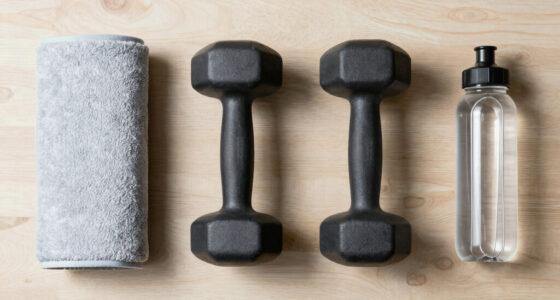
For example, a treadmill or brisk walking outside for cardio, bodyweight exercises like push-ups and planks, and basic free weights for strength training.
Skip the complicated machines until you understand your movement patterns. Think of it as mastering the basics before building a skyscraper.
Understanding which equipment to focus on is crucial because it helps you allocate your time and energy efficiently. It’s about making smart choices that maximize your results without risking injury or burnout. By prioritizing versatile and fundamental tools, you lay a solid foundation that can support more advanced workouts later. This strategy also minimizes decision fatigue—less time spent wondering what to do next—so you can focus on executing your routine well, which is key for long-term progress and confidence.
Why You Should Embrace the Mess and Keep Moving Forward
Feeling lost is part of the process. Think of it like learning to ride a bike — you wobble before you glide. The key? Keep showing up, even when everything feels awkward.
Every misstep is a step toward confidence. Maybe you accidentally trip over your shoelaces or forget your routine. That’s okay. It’s part of learning.
Remember: progress is messy. The more you practice, the more natural it feels. Over time, the gym transforms from a confusing maze into your second home.