
TL;DR
Your first gym visit can be less intimidating with simple preparation, a focus on proper form, and understanding gym etiquette. This guide offers concrete tips to help you start confidently and keep moving forward.
Walking into a gym for the first time can feel like stepping into a foreign land. The shiny machines, the loud music, the crowded floor—it’s enough to make anyone hesitant. But here’s the truth: every seasoned gym rat was once a complete beginner, just like you.
This guide is your secret weapon—packed with practical tips, real-world examples, and mindset shifts—so your first visit isn’t a stumble, but a confident stride. Whether you’re aiming to shed pounds, build muscle, or just boost your mood, understanding what to expect makes all the difference.
The First Gym Visit Survival Guide Nobody Gives Beginners
Your first gym visit can feel less like stepping into a foreign land and more like entering with a map. Prep the basics, keep your first workout simple, focus on form before intensity, and practice the small etiquette moves that make the floor feel friendlier for everyone.
Confidence is not required at the door. It is built one calm rep at a time.
Beginner mindset shiftminutes including warm-up, movement, cardio, and cool-down.
beats load, speed, and intensity on day one.
Pre-floor preparation
What to Pack, Wear, and Decide Before You Arrive
Preparation lowers the intimidation tax. The aim is not to look like an expert; it is to remove tiny sources of friction so your attention can stay on moving safely and feeling capable.
Choose gear that disappears
Wear breathable, fitted clothing that moves easily. Avoid pinching new shoes and loose fabric that can snag on equipment.
Bring the simple essentials
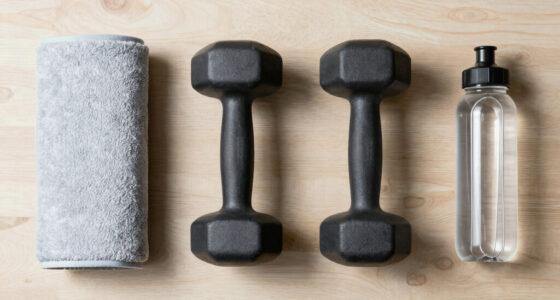
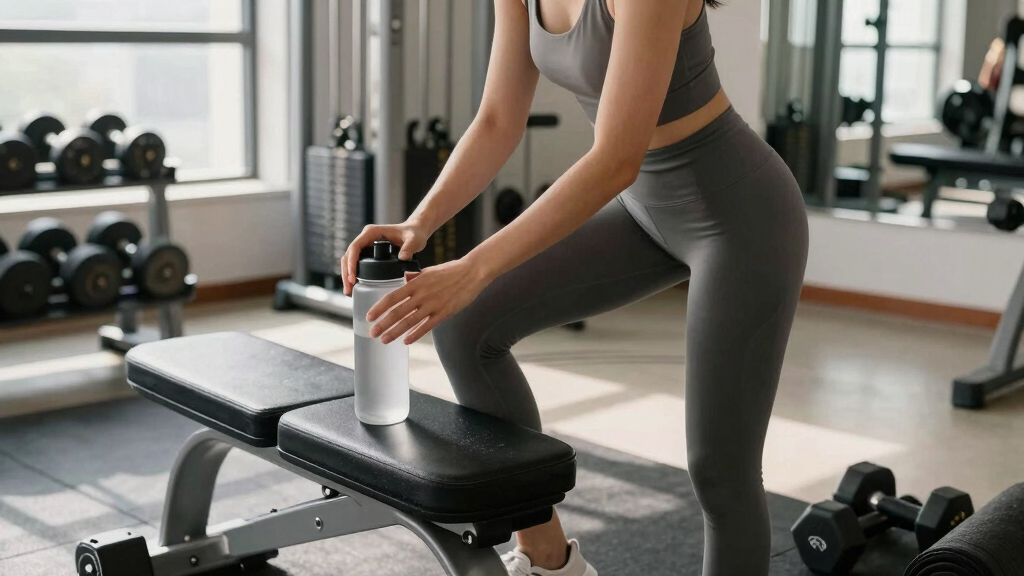
Pack a water bottle, small towel, lock, and any personal basics. These small items make you feel settled instead of scattered.
Pick one reason for going
Weight loss, muscle gain, mood, energy, or general health all work. A clear reason makes the first visit feel like a step, not a test.
Beginner routine
The 5-Step Starter Workout
This sequence covers mobility, strength, cardio, and recovery without turning your first visit into a maze. Keep every movement controlled and stop before exhaustion becomes the main event.
Warm Up
Walk or cycle lightly to raise body temperature and reduce injury risk.
5-10 minBodyweight
Try squats, lunges, and incline push-ups to learn basic patterns.
2-3 movesMachines
Use leg press or chest press for guided resistance and form practice.
Light loadCardio
Choose a treadmill, bike, or elliptical and find a steady rhythm.
10-15 minCool Down
Stretch gently, breathe, and let your heart rate come down gradually.
5 minEtiquette map
What Smooth Gym Behavior Looks Like
Gym etiquette is mostly shared-space common sense. These are the tiny signals that help you blend in, stay safe, and make the room better for the next person.
| Situation | Beginner Move | Why It Matters | Signal |
|---|---|---|---|
| Finished with equipment | Wipe down handles, pads, and screens with provided spray or towels. | Keeps shared surfaces clean and shows respect for the next user. | ✓ Do it |
| Someone is waiting | Keep rest periods reasonable or offer to let them work in. | Popular machines move more smoothly during busy hours. | ✓ Share |
| Unsure how a machine works | Ask staff for a quick demo or watch a short tutorial before loading weight. | Guidance lowers anxiety and prevents avoidable form mistakes. | ~ Ask |
| Weights feel too heavy | Reduce the load and move slowly through the full range of motion. | Controlled form builds a safer foundation than forced reps. | ✓ Adjust |
| Noise and space | Avoid dropping weights, blocking mirrors, or standing too close to lifters. | People need focus, room, and predictable movement around them. | ✗ Avoid |
Confidence data
The Anxiety Reducers That Actually Help
First-day nerves usually come from uncertainty. Reduce the unknown, set small wins, and use modern tools like tutorials, trackers, and hybrid routines to keep momentum after the first session.
Preparation Impact
First Workout Intensity Scale
Start in the middle: challenged, but never overwhelmed. You should finish thinking you could return, not needing to recover from the idea of returning.
Mindset operating system
How to Handle the “Everyone Is Watching Me” Feeling
Most people are tracking their own sets, music, time, and form. Your job is not to perform expertise. Your job is to collect small proof that you can show up, learn, and return.
Use the smallest brave action.
Watch one tutorial, ask one staff question, try one machine, complete one calm circuit. Confidence compounds through repeatable evidence, not dramatic first-day heroics.
The First-Visit Confidence Chain
Wear
Comfortable shoes and breathable clothes remove distraction.
Pack
Water, towel, and lock make the space feel manageable.
Plan
A simple routine prevents wandering and overwhelm.
Ask
Staff demos and tutorials turn mystery into technique.
Track
Small notes and progress markers make returning easier.
Key Takeaways
- Prep your outfit and essentials beforehand to feel confident and comfortable.
- Focus on your own progress—everyone starts as a beginner and that’s okay.
- Follow a simple, structured routine to build confidence and avoid overwhelm.
- Practice gym etiquette like wiping down equipment and respecting space.
- Use recent trends like tutorials and trackers to stay motivated and reduce anxiety.
What to Wear for Comfort and Confidence on Day One
Your first gym outfit should feel like a second skin—light, breathable, and supportive. Think moisture-wicking T-shirts, stretchy leggings, or shorts, and sturdy sneakers that grip well.
Imagine walking into a bright, airy gym, your clothes whispering comfort with every move. Avoid new shoes that might pinch or cause blisters, as discomfort can distract you from your workout goals. Likewise, steer clear of baggy clothes that can get caught in equipment, which not only hampers your movement but also poses safety risks. Choosing simple, functional gear helps you focus on your workout rather than adjusting your outfit mid-session.
Pro tip: Bring a towel and a water bottle. Sweaty workouts are normal, but staying hydrated and wiping down equipment after use not only keeps you feeling fresh but also shows respect for others sharing the space. These small acts contribute to a more welcoming and hygienic environment for everyone.
How to Manage First-Day Nerves and Build Confidence Fast
It’s totally normal to feel jittery. Your brain might be flooded with questions: ‘What if I look stupid?’ or ‘Will I be the only one struggling?’.
Understanding why these feelings occur can help you manage them. Nerves often stem from fear of judgment or the unknown, which can be mitigated through preparation and perspective. Recognizing that everyone was a beginner at some point helps normalize your experience. Most seasoned gym-goers remember their first day and are usually focused on their own progress, not scrutinizing newcomers. This awareness can help you see the gym as a space for growth and learning, rather than a place for judgment or comparison.
Here’s a simple trick: focus on your own progress. When you see others lifting heavy or doing complex moves, remind yourself they were beginners once, too. Recognizing that everyone starts somewhere helps normalize your experience and diminishes feelings of inadequacy. Additionally, setting small, achievable goals for your first few visits—like mastering a particular machine or completing a set without stopping—can boost your confidence and give you tangible milestones to celebrate. This approach not only reduces anxiety but also fosters a sense of accomplishment, making each visit feel like a step forward rather than a leap into the unknown.
Example: A friend of mine was nervous about using machines. After watching a quick tutorial online, she approached staff for a quick demo. That tiny step made her feel more in control—and she stayed committed. This demonstrates how small actions, like seeking guidance, can significantly reduce anxiety and foster a sense of competence. The key is to recognize that building confidence is a gradual process, and every small success contributes to a more positive outlook for future workouts.
The 5-Step Starter Routine Every Beginner Should Try
Here’s a straightforward plan to get you moving without feeling overwhelmed:
- Warm-up: 5-10 minutes of brisk walking or cycling—think of it as waking up your muscles. Proper warm-up increases blood flow, improves flexibility, and reduces injury risk, setting the stage for an effective workout. Skipping this step can lead to muscle strains or pulls, which might discourage further activity. Incorporating a warm-up helps your body prepare for exercise, making subsequent movements more efficient and reducing the likelihood of discomfort or injury.
- Bodyweight exercises: squats, lunges, push-ups—easy, effective, and no equipment needed. These foundational movements activate major muscle groups, enhance stability, and prepare your body for more intense work. They also help you learn proper movement patterns, which are crucial when progressing to weights or more complex routines. Building a solid base with bodyweight exercises ensures safer and more effective training as you advance.
- Machine work: Use beginner-friendly machines like the leg press or chest press—these help learn proper form. Machines provide controlled movement paths, reducing the risk of injury and building confidence as you learn how your body moves. They serve as a safe environment for practicing correct technique before transitioning to free weights. This step is essential for understanding muscle engagement and establishing good habits early on. Note: Incorporating machine exercises early on helps you develop a baseline understanding of resistance training, which you can later adapt into free-weight or functional movements for greater progress.
- Cardio: 10-15 minutes on a treadmill, elliptical, or bike—find your preferred rhythm and enjoy it. Consistent cardio improves endurance, supports weight management, and boosts mood through endorphin release. Regular cardio also enhances your overall stamina, making other workouts feel less daunting over time. Choosing an activity you enjoy increases the likelihood of sticking with it, which is vital for long-term fitness success.
- Cool-down: 5 minutes of stretching—feel the muscles loosen, and reduce soreness. Cooling down helps your heart rate return to normal gradually and prevents stiffness, making recovery easier and more effective. Neglecting this step can lead to increased soreness and stiffness, which might discourage future workouts. A proper cool-down promotes flexibility, reduces injury risk, and helps your body adapt to the workout, fostering better recovery and progress.
This routine not only covers all major aspects of fitness but also emphasizes gradual progression, which is crucial for long-term adherence. It helps you build confidence by providing structure, ensuring you don’t skip essential components of a balanced workout.
Gym Etiquette Hacks That Make Your First Day Smooth
Respectful behavior isn’t just polite; it keeps the gym running smoothly for everyone. Here’s what to keep in mind:
- Share equipment: Wipe down machines after use. It’s like leaving a clean plate—simple courtesy that prevents the spread of germs and keeps the equipment ready for the next person. This small act also demonstrates consideration, which fosters a respectful community environment. When everyone contributes to cleanliness, it reduces the risk of infections and makes the gym more inviting for all members.
- Limit your time: If someone is waiting, be mindful of your rest periods and set a timer if needed. This ensures everyone gets a fair chance to use popular gear, especially during peak hours. Being conscious of time not only helps others but also encourages you to stay focused and efficient during your workout. Balancing your needs with respect for others creates a cooperative atmosphere where everyone can progress comfortably.
- Keep noise reasonable: Avoid loud grunts or dropping weights—your neighbors will thank you. Excessive noise can be distracting and disruptive, especially in shared spaces. Maintaining a moderate volume shows consideration and helps maintain a peaceful environment conducive to concentration and safety. It also prevents conflicts or discomfort among gym members, making the experience more pleasant for everyone.
- Be aware of personal space: Don’t stand too close or interrupt others mid-set. Respecting personal space fosters a comfortable environment and prevents accidental injuries or discomfort. Being mindful of your proximity and timing during workouts demonstrates respect and consideration, which enhances the overall gym culture. It encourages a positive, non-judgmental atmosphere where everyone feels safe and respected.
Example: I once saw a newbie leave their sweaty towel on a machine. The next person was annoyed, and it could have been avoided with a quick wipe. Small acts like wiping down can make your gym experience far more pleasant and considerate, encouraging a community of mutual respect. When everyone practices simple courtesies, it builds a welcoming environment that motivates continued engagement and shared responsibility for cleanliness and respect.
How to Keep the Momentum Going After Day One
First visits are just the start. The key to turning that initial boost into lasting habits? Consistency. Set small, achievable goals like visiting twice a week or mastering one new exercise each session. These goals create a sense of progress and prevent feeling overwhelmed.
Track your progress. Use a simple journal or an app—seeing improvements in strength, stamina, or even mood boosts your motivation. Recognizing your own growth reinforces positive habits and fosters a sense of accomplishment. When you see tangible results, it becomes easier to stay committed, as your efforts translate into visible, meaningful change. This feedback loop encourages persistence and helps you adjust your goals as you advance.
Find a workout buddy or join a class. Social support makes workouts more fun and helps you stay accountable. The shared experience and encouragement can push you through plateaus or difficult days. Remember, progress is a marathon, not a sprint, and persistence is key to long-term success. Having someone to share the journey provides motivation, accountability, and a sense of camaraderie that can make the process enjoyable rather than a chore.
Latest Trends That Make First Gym Visits Less Intimidating
New tech and evolving gym culture are making that first visit smoother. Virtual tutorials, for example, help you learn equipment at your own pace and build confidence before stepping into the gym. Many gyms now offer free orientation sessions—taking advantage of these can demystify equipment use and reduce anxiety. These resources give you a sense of control and familiarity, which diminishes feelings of uncertainty or fear of doing something wrong.
Hybrid fitness models combine home routines with gym sessions, easing the pressure of a full in-gym commitment initially. Wearable devices like fitness trackers motivate with real-time stats, making workouts more engaging and gamified, which can boost motivation and adherence. These trends recognize that easing the initial entry point and providing continuous feedback can significantly lower psychological barriers, making newcomers more comfortable and motivated to stay engaged.
Plus, there’s a bigger focus on mental wellness. Gyms are creating calm spaces, and trainers emphasize health over aesthetics—reminding you that the journey is personal, not competitive. These cultural shifts foster a more inclusive environment, making newcomers feel less judged and more supported in their fitness journey. When the emphasis is on health and personal progress rather than appearance alone, it creates a welcoming atmosphere that encourages sustained participation and confidence-building.
Frequently Asked Questions
What should I wear to my first gym visit?
Choose breathable, stretchy clothes like moisture-wicking T-shirts and leggings or shorts. Wear sturdy sneakers that support your feet well. Comfort and support are key—think of it as giving your body a friendly hug.
How do I avoid feeling self-conscious or overwhelmed?
Remember everyone was a rookie once. Focus on your own progress, use tutorials or ask staff for help, and go at your own pace. Confidence grows with consistency, not perfection.
What exercises should I start with?
Begin with simple movements like brisk walking, cycling, bodyweight squats, or push-ups. Machines can guide your form and make learning easier. Keep it light and fun to build a solid foundation.
How long should my first workout last?
Start with 30-45 minutes, including warm-up and cool-down. Focus on quality over quantity. If you’re tired or sore, give yourself extra rest—listening to your body is part of being smart about training.
Should I hire a trainer for my first visit?
If possible, yes. A trainer can help you learn proper form, answer questions, and create a personalized plan. Even a short session can boost your confidence and set you up for success.
Conclusion
Your first gym visit isn’t a test—it’s a fresh start, a chance to feel strong and capable. Remember, the gym is a place to grow, not to impress. Treat each step as progress, no matter how small.
Imagine walking out after your first workout, muscles a little sore but heart full of purpose. That’s the beginning of a new chapter—one where confidence builds with every visit.