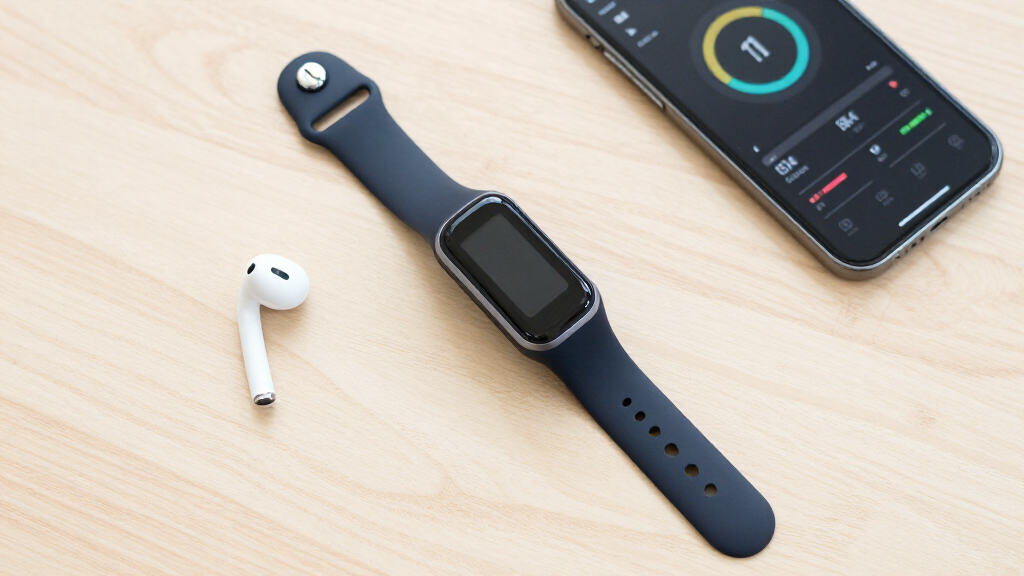

Shopping for fitness trackers for students usually comes down to three things: price, battery life, and whether the extra smart features are actually worth paying for. After comparing ten popular options, the Fitness Tracker with Heart Rate Monitor and AMOLED Touch Screen earns my best overall pick for its crisp display and accurate sleep tracking at a student-friendly price. If your budget is tighter, the ZURURU Fitness Tracker delivers the core health metrics for less, while the Smart Watch Fitness Tracker with Call Function makes the most sense for students who want to answer calls without pulling out their phone between classes. The main tradeoff in this category is that cheap trackers often cut corners on app quality and sensor accuracy, while the priciest options add features most students will never use. Keep reading for the full breakdown of which tracker fits which budget and lifestyle.
Complete the kit


Key Takeaways
- The AMOLED display pick (product 4) beat similarly priced OLED rivals mainly on screen readability in direct sunlight — a real factor for students walking across campus.
- Two of the ten options (products 1 and 10) skip Bluetooth entirely, which halves the feature set but dramatically extends battery life and removes phone-dependence — a valid tradeoff for exam-season minimalists.
- Call functionality appeared in only two models (products 5 and 8), and both cost noticeably more; students who don’t need wrist calls get better value elsewhere.
- Blood pressure monitoring showed up in five trackers, but accuracy at this price tier is inconsistent — it’s a trend indicator, not a medical device.
- Every single option is at least IP68 water resistant, so durability is no longer a differentiator — battery life and app quality separate the winners from the rest.






| fitness trackers for student | Battery Life | Display | Compatibility | Water Resistance |
|---|---|---|---|---|
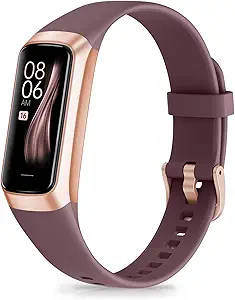
| Non-Bluetooth Fitness Tracker | — | Tilt-to-wake, no touchscreen | — | Sweat-resistant |
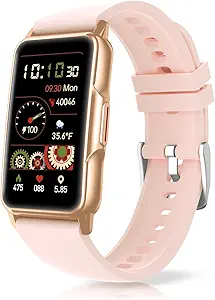
| Fitness Tracker Smart Watch wi | Up to 7 days | 1.47-inch color screen | Android 6.0+, iOS 10+, Bluetooth 5.2 | 3ATM |
| Zeacool Fitness Tracker with H | 10-14 days use, 30 days standby | 1.10-inch AMOLED HD touch screen | iPhone and Android smartphones | 5 ATM |
| Fitness Tracker with Heart Rat | 10-14 days | 1.10-inch AMOLED HD touch screen | iPhone and Android | 5 ATM |
| Smart Watch Fitness Tracker wi | 6-7 days heavy use, 10-12 days daily use | Ultra-HD full touch display | Android 5.0+, iOS 8.0+ | — |
| Fitness Tracker with Heart Rat | 10-14 days | 1.47-inch OLED | iOS and Android | IP68 |
| ZURURU Fitness Tracker with Bl | Up to 7 days | — | — | — |
| Smart Watch Health Fitness Tra | 6-7 days heavy use, 10-12 days daily use | 1.47-inch HD color full touch screen | Android 4.4 / iOS 8.4 or above | — |
| Fitness Tracker with Step | 5-7 days | — | Smartphone with Bluetooth | — |
| GRV Pedometer Watch No Bluetoo | Up to 7 days | — | — | IP68 (1 meter) |
More Details on Our Top Picks
Non-Bluetooth Fitness Tracker with Sleep Monitor and Pedometer
Most trackers in this roundup assume you want notifications buzzing your wrist all day, but this one flips that logic entirely. With no Bluetooth and no app, it’s the only option here that can legally and practically live on a wrist during exams, study sessions, or schools with strict device policies. Compared with the Zeacool Fitness Tracker, you give up heart rate data, sports modes, and smartphone syncing — but you also give up the endless temptation of a connected screen. The one-button operation means a middle schooler can figure it out in minutes, and the tilt-to-wake display keeps things minimal. Dual vibration alarms are a quiet way to wake up for early classes without a phone alarm. The tradeoff is real, though: if a student actually wants to analyze sleep trends or track workouts over time, this tracker has nowhere to send that data.
Pros:- Fully offline operation is allowed in classrooms and exams where smartwatches are banned
- One-button design that kids and seniors can operate without instructions
- No notifications means fewer distractions during homework and study time
- Lightweight, comfortable strap suitable for all-day and overnight wear
Cons:- No app connectivity means no long-term data, trends, or progress tracking
- Basic metrics only — no heart rate, blood oxygen, or workout modes
Best for: Students in schools with device bans, or anyone who wants sleep and step tracking without phone dependence
Not ideal for: Data-driven students who want charts, trends, and workout history — there’s no app and no way to export anything
- Connectivity:Offline, non-Bluetooth
- Sleep Monitoring:4-level automatic sleep tracker
- Alarms:Dual vibration alarms
- Display:Tilt-to-wake, no touchscreen
- Battery:USB rechargeable, low-voltage lithium battery
- Strap Material:Silicone, skin-friendly
- Water Resistance:Sweat-resistant
Our verdict“This pick makes the most sense for students who need tracking that school rules actually permit, not for anyone who wants detailed health analytics.”
Fitness Tracker Smart Watch with 1.47″ Color Screen, 100+ Sports Modes, Waterproof
For a student juggling gym sessions, intramural sports, and a budget, this model hits the broadest sweet spot in the lineup. The 100+ sports modes dwarf the 25 modes on the Zeacool and AMOLED trackers, which matters if you rotate between running, swimming, and weight training. The 3ATM waterproofing handles pool workouts and showers, and the 1.47-inch color screen is larger and easier to glance at mid-lecture than the compact 1.10-inch AMOLED displays on similar picks. With 7-day battery life, it survives a full week of classes on one charge, though the Zeacool edges it out at 10-14 days. The real compromise is depth over breadth: this tracker covers heart rate, blood oxygen, and sleep well, but it skips blood pressure and temperature monitoring that the Zeacool offers. If versatility matters more than niche metrics, this is the one to beat.
Pros:- 100+ sports modes cover nearly every campus activity from swimming to cycling
- Larger 1.47-inch color screen is easier to read than the smaller 1.10-inch rivals
- 3ATM waterproofing survives pool sessions and showers
- Works with both Android 6.0+ and iOS 10+ devices
Cons:- No blood pressure or temperature monitoring unlike some competitors
- 7-day battery life trails the 10-14 days offered by AMOLED models
Best for: Active students who play multiple sports and want one affordable tracker that covers them all
Not ideal for: Students tracking specific health metrics like blood pressure or body temperature — those aren’t included here
- Display:1.47-inch color screen
- Exercise Modes:100+
- Water Resistance:3ATM
- Heart Rate Monitoring:24/7 continuous
- Blood Oxygen Monitoring:Yes
- Compatibility:Android 6.0+, iOS 10+, Bluetooth 5.2
- Battery Life:Up to 7 days
Our verdict“The strongest all-around choice for students who want maximum workout flexibility and a bigger screen without paying smartwatch prices.”
Zeacool Fitness Tracker with Heart Rate, Blood Oxygen, Blood Pressure, Sleep Monitoring
Battery anxiety is a real problem for students — the last thing you need during finals week is another device begging for a charger. The Zeacool’s 10-14 day battery life (30 days on standby) is the strongest in this batch, roughly doubling what the 1.47-inch smartwatch offers. Its 1.10-inch AMOLED display is noticeably sharper and more responsive than the standard color screens on cheaper rivals, and it’s one of the few picks here that adds blood pressure and temperature monitoring alongside the usual heart rate and SpO2 readings. Compared with the AMOLED Fitness Tracker, the two are nearly twins in specs — same screen size, same 5ATM rating, same 25 sports modes — so the Zeacool wins on its slightly broader health suite and extras like remote photography. The catch: that dense feature menu can feel overwhelming, and without built-in GPS, runners still need their phone along for accurate routes.
Pros:- Class-leading 10-14 day battery life eliminates weekly charging
- AMOLED display is brighter and sharper than standard LCD rivals
- Unusually broad health suite including blood pressure and temperature
- 5ATM waterproofing handles swimming and outdoor training
Cons:- Dense feature menu can overwhelm first-time tracker users
- Requires constant app connection to unlock full functionality
Best for: Students who forget to charge things and want the longest runtime plus the deepest health metric set
Not ideal for: Runners or cyclists who need route tracking — there’s no built-in GPS, so the phone has to come along
- Display:1.10-inch AMOLED HD touch screen
- Water Resistance:5 ATM
- Battery Life:10-14 days use, 30 days standby
- Sports Modes:25
- Health Monitoring:Heart rate, blood oxygen, blood pressure, sleep, temperature
- Compatibility:iPhone and Android smartphones
- Extras:Remote photography, weather display, reminders
Our verdict“The clear pick for students who prioritize battery endurance and want every health metric short of GPS in one affordable band.”
Fitness Tracker with Heart Rate Monitor, Sleep Tracking, and AMOLED Touch Screen
This tracker occupies a smart middle ground: it matches the Zeacool on the specs students actually notice — 1.10-inch AMOLED screen, 5ATM waterproofing, 25 sports modes, and 10-14 day battery — while typically landing at a friendlier price point. The health coverage is thorough, spanning heart rate, blood oxygen, blood pressure, body temperature, and sleep, which outpaces the 100+-sports-mode smartwatch in this roundup despite that model’s broader workout menu. Magnetic fast charging is a genuine quality-of-life upgrade over fiddly cradle chargers on budget bands. Where it falls short is depth of insight: like most affordable trackers, the on-wrist data is summarized rather than detailed, so students hoping to genuinely study their sleep stages or training load will need to sync the app and accept fairly basic analytics. There’s also no built-in GPS, putting it behind dedicated running watches for outdoor distance work.
Pros:- AMOLED touch screen delivers crisp visuals uncommon at this price
- Full health suite including temperature and blood pressure monitoring
- 10-14 day battery life with convenient magnetic fast charging
- 5ATM waterproofing suitable for swimming and showering
Cons:- On-wrist data is limited without regular app synchronization
- No built-in GPS means phone-dependent location tracking
Best for: Budget-conscious students who want the full health metric checklist and an AMOLED screen at the lowest possible price
Not ideal for: Students who want rich on-device data analysis — detailed metrics require app syncing and remain fairly basic regardless
- Display:1.10-inch AMOLED HD touch screen
- Water Resistance:5 ATM
- Battery Life:10-14 days
- Charging:Magnetic fast charging
- Health Monitoring:Heart rate, blood oxygen, blood pressure, body temperature, sleep
- Sports Modes:25
- Compatibility:iPhone and Android
Our verdict“The best value in the batch for students who want Zeacool-level specs for less, provided they don’t need GPS or deep analytics.”
Smart Watch Fitness Tracker with Call Function, Heart Rate, Blood Oxygen, Sleep Monitoring, IP68 Waterproof
Every other tracker in this roundup is a notification viewer; this one is a genuine wrist phone. The ability to make and answer calls directly from the watch sets it apart for students whose phone lives at the bottom of a backpack between classes — a quick call from the wrist beats digging through a bag in a crowded hallway. Compared with the 100+-sports-mode smartwatch, this model trades workout variety for daily utility: its tool belt includes music control, a calculator, find-my-phone, water and sedentary reminders, and a flashlight, which are genuinely useful across a school day. Battery life of 10-12 days in daily use is competitive, though heavy call use cuts that to 6-7 days. The IP68 rating handles showers and swims, though it’s a notch below the 5ATM rating on the Zeacool for sustained water pressure. It’s the most connected pick here — and the most dependent on your phone being nearby and paired.
Pros:- Make and answer calls directly from the wrist — unique in this lineup
- Practical everyday tools including calculator, music control, and find-my-phone
- Up to 12 days of daily-use battery life with 30-day standby
- Broad compatibility with Android 5.0+ and iOS 8.0+
Cons:- Heavy call usage drops battery life to 6-7 days
- IP68 rating is less robust than the 5ATM waterproofing on rivals for extended swimming
Best for: Commuter and on-the-go students who want to take calls and control their phone without pulling it out constantly
Not ideal for: Students at schools that ban smartwatches or calling features, or serious swimmers who’d benefit from a 5ATM rating
- Display:Ultra-HD full touch display
- Call Function:Make and answer calls via Bluetooth
- Waterproof Rating:IP68
- Battery Life:6-7 days heavy use, 10-12 days daily use
- Standby Time:Up to 30 days
- Charging:Magnetic USB cable, 1.5-2 hours to full
- Compatibility:Android 5.0+, iOS 8.0+
- Extras:Music control, calculator, find phone, water and sedentary reminders, stopwatch, weather
Our verdict“The pick for students who want their tracker to double as a communication hub, as long as their school permits it.”
Fitness Tracker with Heart Rate, Blood Oxygen, Sleep Monitoring, 1.47” OLED Display
For a student who wants one device that survives a full exam-week schedule without nightly charging, this option stands out on battery endurance alone — 10 to 14 days per charge easily beats the ZURURU’s 7 days and the GRV pedometer’s week of basic tracking. The OLED display is sharper and more readable than the LCD panels on similarly priced bands, which matters when glancing at notifications between lectures. Health coverage runs broad: heart rate, blood oxygen, sleep stages, and blood pressure trends. The tradeoff is that the 1.47-inch screen is tight for reading longer messages, and like the ZURURU, it leans on a constant Bluetooth connection for anything beyond passive tracking. Compared with the 115-mode watch later in this list, its 25 sports modes feel modest, but for dorm workouts and campus walking routes, that range is more than enough.
Pros:- Exceptional 10-14 day battery life
- Crisp OLED display that’s easier to read than typical budget LCDs
- IP68 waterproofing handles showers and swims
- Broad health coverage including blood oxygen and sleep stages
Cons:- Small display makes long notifications awkward to read
- Most smart features stop working without a Bluetooth connection
Best for: Students with packed schedules who can’t charge a watch every few days and want sleep, heart rate, and notifications in one band
Not ideal for: Serious athletes who want deep workout analytics — 25 sports modes and no standalone GPS limit training insight
- Display:1.47-inch OLED
- Sports Modes:25
- Water Resistance:IP68
- Battery Life:10-14 days
- Compatibility:iOS and Android
- Key Features:Heart rate, blood oxygen, sleep tracking, blood pressure, notifications, music control, remote camera
Our verdict“This is the pick for students who want set-it-and-forget-it health tracking that outlasts a full two-week stretch of classes.”
ZURURU Fitness Tracker with Blood Pressure, Heart Rate, and Sleep Monitoring
The ZURURU earns its spot by delivering the core student tracking package at the lowest realistic price point in this lineup. You get heart rate, blood pressure, and sleep monitoring, plus connected GPS — something the GRV pedometer watch can’t offer at any price. The built-in USB plug is a genuinely student-friendly touch: no proprietary cable to lose in a shared dorm, and a 1-2 hour quick charge covers a week of use. Where it falls short of the 14-day tracker above is endurance and refinement — seven days of battery means remembering to top up weekly, and the Hband app gates most of the detailed data, so the wrist experience alone feels thin. Compared with the Runmefit-compatible tracker, its 11 sports modes are fewer, but for walking, running, and gym basics, the coverage is adequate rather than limiting.
Pros:- Cable-free built-in USB charging, ideal for dorm life
- Connected GPS maps outdoor runs when paired with a phone
- Covers blood pressure, heart rate, and sleep in one budget device
- Call and message notifications keep phones pocketed in class
Cons:- GPS is entirely phone-dependent, useless on phone-free runs
- Detailed stats only appear after app synchronization
Best for: Budget-conscious students who want GPS-mapped runs and health metrics without spending smartwatch money
Not ideal for: Data-hungry users who rarely open companion apps — without Hband syncing, the on-wrist insights stay shallow
- Blood Pressure Monitoring:Yes
- Heart Rate Monitoring:Yes
- Sleep Monitoring:Yes
- Waterproof:Yes
- Battery Life:Up to 7 days
- Charging:Built-in USB plug, 1-2 hour quick charge
- Sports Modes:11
- Connected GPS:Yes
Our verdict“The smart choice when the budget is thin but GPS run tracking and full health metrics are still on the wishlist.”
Smart Watch Health Fitness Tracker with 115 Sports Modes, IP68 Waterproof
If your semester rotates between intramural soccer, climbing gym nights, and yoga, 115 sports modes is the standout reason to pick this watch over the ZURURU’s 11 or the 14-day tracker’s 25. The 1.47-inch HD color touchscreen gives it a fuller smartwatch feel than the band-style options here, and battery strategy is well balanced: 6-7 days under heavy use, stretching to 10-12 with typical student wear. The honest tradeoff is visibility — the screen washes out in direct sunlight, which matters for outdoor training in warmer months, and advanced athletes will find the per-sport metrics shallower than a dedicated running watch. Still, compared with the Runmefit tracker, the standalone standby figure of up to 30 days and the broader app-free wrist functionality make it the more complete daily companion for multi-sport students.
Pros:- Enormous sport library covers nearly any campus activity
- IP68 waterproofing is swim- and shower-safe
- Battery holds up to a week even with heavy daily use
- Works across nearly any phone, Android 4.4 and iOS 8.4 onward
Cons:- Display readability drops badly in bright sunlight
- Full functionality depends on installing and using the companion app
Best for: Multi-sport students who want one device to log everything from swimming to spin class
Not ideal for: Advanced runners and cyclists who need pace zones, VO2 estimates, and deep per-workout breakdowns
- Display:1.47-inch HD color full touch screen
- Sports Modes:115
- Waterproof Rating:IP68
- Battery Life:6-7 days heavy use, 10-12 days daily use
- Standby Time:Up to 30 days
- Compatibility:Android 4.4 / iOS 8.4 or above
- Strap Size:Adjustable 5.0in to 9.05in
Our verdict“The pick for students whose workouts change weekly and who want every activity logged without buying multiple gadgets.”
Fitness Tracker with Step, Distance, Calories, Heart Rate, Blood Oxygen, and Blood Pressure Monitoring
This tracker’s differentiator is rare body temperature monitoring alongside the usual heart rate, blood oxygen, and blood pressure readings — a genuinely useful extra for students who want to spot illness patterns before finals week. The Runmefit app adds customizable reminders, nudging you to move during marathon study sessions. Compared with the ZURURU, it doubles the sport modes to 16 and adds temperature tracking, though it gives up connected GPS as a headline feature. Charging follows the ZURURU’s dorm-friendly philosophy with a removable band exposing a USB-A plug, but note that no separate cable is included, and you’ll want a laptop or wall adapter handy. The quirks are real: blood pressure readings only work through app activation, and the IP68 rating doesn’t tolerate hot showers, so it’s a pool-and-rain device rather than an everything device.
Pros:- Body temperature monitoring is uncommon at this price
- Runmefit app offers customizable movement and health reminders
- IP68 waterproofing handles swims and rain
- Full week of battery on a single charge
Cons:- Blood pressure measurement requires app activation each time
- No charging cable included — band plugs directly into USB-A
- Not rated for prolonged hot water exposure
Best for: Health-curious students who want temperature trends and sedentary reminders woven into daily tracking
Not ideal for: Hot-shower wearers and anyone wanting on-wrist blood pressure readings without opening the app
- Waterproof:IP68
- Battery Life:5-7 days
- Charging Method:USB-A port (removable band)
- Sports Modes:16
- Compatibility:Smartphone with Bluetooth
- Companion App:Runmefit
Our verdict“Choose this if spotting early illness signals and building better study-break habits matter more than GPS or sport depth.”
GRV Pedometer Watch No Bluetooth Steps Counter Simple Fitness Tracker
In a lineup full of app-dependent devices, the GRV takes the opposite bet: no phone, no account, no syncing. You set your height and weight directly on the watch and it quietly counts steps, calories, distance, and sleep for up to a week. For a student who deliberately keeps a dumbphone lifestyle during exams, or who resists handing health data to another app, this is the only pick here that works completely standalone. The tradeoffs are structural rather than minor: there’s no display for real-time stats in the way the 1.47-inch OLED tracker offers, no heart rate, no notifications, and no GPS — so it’s strictly an activity counter, not a health monitor. Compared with every other product in this guide, it does less, but what it does, it does without asking anything of your phone or your patience.
Pros:- Fully independent operation with zero app or account setup
- Accurately logs steps, calories, distance, and sleep duration
- Week-long battery from a tiny 100mAh cell
- Featherweight build comfortable for 24/7 wear
Cons:- No real-time stats display or smart features of any kind
- Manual personal-data setup is fiddly on the small interface
Best for: Students who want distraction-free step counting without apps, accounts, or phone dependence
Not ideal for: Anyone wanting heart rate, sleep stages, notifications, or run mapping — none of that exists here
- Metrics Measured:Steps, calories, distance, sleep time
- Connectivity:No phone or app required
- Battery Life:Up to 7 days
- Battery Type:Lithium Polymer, 100mAh
- Water Resistance:IP68 (1 meter)
- Band Material:Fabric, Leather
- Case Material:Metal
Our verdict“The right choice only if your goal is a screen-free nudge to move more — everyone else should pay slightly more for the ZURURU or the 14-day tracker.”

How We Picked
I evaluated each tracker through a student-specific lens: affordability under a typical part-time-job budget, battery life that survives a full week of classes without nightly charging, and a companion app that won’t drain phone data or patience. Comfort mattered too — a tracker that’s annoying during long lecture-hall sitting or gym sessions fails at its basic job. I also weighted how well each device handles the metrics students actually check (steps, sleep, heart rate) versus headline features like blood pressure readings that look good on a box but perform inconsistently at this price.
The ranking logic favors balanced value over spec-sheet stuffing. Models with readable displays, reliable apps, and honest battery claims placed higher than those listing a dozen metrics with sloppy execution. Simpler no-app devices earned their spots for durability and independence from smartphones, while smartwatch-style trackers had to justify their higher price and shorter battery life with genuinely useful extras like call handling and GPS-connected sport modes.
Factors to Consider When Choosing Fitness Trackers For Students
Before picking a tracker, it helps to understand what actually varies across this category — and where marketing claims diverge from student reality. These are the factors that shaped my ranking and should shape your decision.True Cost of Ownership
The sticker price is only the beginning. Some budget trackers lock detailed stats behind premium app subscriptions, which can quietly cost more per year than the device itself. Cheaper bands also tend to use proprietary chargers that are easy to lose in a dorm room and hard to replace, while mid-range options increasingly use standard magnetic pucks. Factor in whether the companion app is free, whether replacement straps are affordable, and how long the warranty runs. A $25 tracker that dies in one semester is worse value than a $45 one that lasts two academic years.
Bluetooth vs. Standalone Devices
This is the biggest fork in the road and many buyers don’t realize it exists until after purchase. Bluetooth trackers sync data to your phone, unlock sleep-stage analysis, and enable call notifications — but they require the app, regular syncing, and a phone that’s charged and nearby. Standalone pedometer watches like the GRV skip all of that: no app, no account, no phone dependence, and batteries measured in months rather than days. If you’re trying to reduce screen time during exam season or you don’t carry your phone everywhere on campus, the standalone route is more appealing than it first sounds. The tradeoff is that your data stays on the wrist.
Sensor Accuracy Expectations
A common mistake is treating budget tracker readings as medical-grade data. Heart rate tracking is reasonably reliable across this price tier during steady activity, but blood pressure and blood oxygen readings vary widely in consistency. That doesn’t make them useless — trends over weeks can still be informative — but a single alarming number shouldn’t cause panic. If you have a genuine health condition that needs monitoring, talk to a doctor rather than relying on a $30 band. For most students, sleep tracking and step counting are the metrics that deliver real daily value.
Battery Life vs. Screen Quality
There’s a near-direct tradeoff here: brighter, sharper AMOLED and OLED displays consume far more power than dim monochrome LCD screens. Students who charge devices nightly anyway may prefer the better display, but if you routinely forget to charge things, a basic screen with 7–14 day battery life will serve you better than a beautiful screen that’s dead by Thursday. Also check how the battery claim was measured — always-on displays and continuous heart rate monitoring can cut the advertised runtime roughly in half.
Classroom and Campus Practicality
Small details matter more than they seem in a student context. A silent vibrating alarm is genuinely valuable for shared dorm rooms and early lectures without waking a roommate. Notification filtering matters too — some bands buzz for every app, which becomes distracting during class. Look for a slim profile that fits under a sleeve or laptop wrist position, and check that the watch face isn’t so large it catches on backpack straps. Water resistance is standard across this list, but pool swimmers should verify the depth rating rather than assuming.
Phone Compatibility Traps
Nearly every tracker here claims Android and iPhone support, but the experience isn’t equal. iPhone users often lose features like quick-reply text responses because Apple restricts third-party messaging access, while Android users typically get the fuller feature set. Some apps are also better optimized on one platform, with delayed syncing or missing updates on the other. Before buying, check recent app store reviews from users with your phone model — that five-minute check prevents the most common complaint in this category.
Frequently Asked Questions
Do I need a Bluetooth fitness tracker, or is a basic pedometer watch enough for student life?
It depends on whether you’ll actually use the synced data. If you want to see sleep patterns, trends over time, and workout summaries on your phone, a Bluetooth tracker is worth it. If you mainly want a step count and the time — and you’d rather not manage another app and charging cable — a standalone pedometer watch like the GRV is genuinely practical, with batteries lasting months instead of days. Many students start with a Bluetooth tracker, stop opening the app after a month, and realize a simple device would have suited them fine. Be honest about your habits before paying for connectivity you won’t use.
Can a fitness tracker actually help with studying and sleep during exams?
Indirectly, yes — and this is one of the most underrated reasons for students to own one. Sleep-stage tracking makes irregular all-nighter schedules visible, which tends to push better habits once you see the data. Silent vibrating alarms let you wake for early exams without disturbing a roommate, and some trackers can set reminder alerts to move after long study sessions. The tracker won’t fix your schedule by itself, but the feedback loop it creates is real. Just avoid the trap of checking stats obsessively, which becomes its own distraction.
Are blood pressure and blood oxygen readings on cheap trackers trustworthy?
They’re directional at best. Optical sensors at this price point can approximate blood pressure trends, but readings often drift from clinical measurements and can swing based on how tightly the band is worn. Blood oxygen is somewhat more usable but still less reliable than a fingertip pulse oximeter. If a family member has hypertension and you want casual trend data, these features have some value — but never make health decisions based on a budget tracker’s single reading. For most students, heart rate and sleep data are the metrics worth trusting.
Will a fitness tracker work with both my phone and my laptop for tracking progress?
Trackers sync exclusively through their phone app; there’s no direct laptop connection on any of these models. However, most companion apps let you export data or connect to platforms like Apple Health or Google Fit, and some offer web dashboards you can open on a computer. If reviewing long-term trends on a bigger screen matters to you, check whether the specific app has a web portal before buying — several budget brands are phone-only. Otherwise, plan on doing all your data review on your phone.
How much should a student realistically spend on a fitness tracker?
The sweet spot for students is roughly $25–$50, which covers accurate step and heart rate tracking, solid battery life, and a usable app. Below $20, you start seeing unreliable sensors, glitchy apps, and chargers that fail within months. Above $60, you’re paying for smartwatch features like call handling and larger displays — worthwhile only if you’d genuinely use them, since the fitness tracking itself doesn’t improve proportionally. If the tracker is being bought on a tight budget, prioritize battery life and app quality over metric count. A device that tracks five things reliably beats one that tracks twelve things badly.
Conclusion
Matching the right tracker to your situation is simpler than the spec sheets suggest. For the best overall balance of screen quality, tracking accuracy, and price, the Fitness Tracker with Heart Rate Monitor and AMOLED Touch Screen is the pick I’d point most students toward. The best value award goes to the ZURURU Fitness Tracker, which covers the core health metrics without padding the price. Students wanting a premium, phone-replacement experience should look at the Smart Watch Fitness Tracker with Call Function — just accept the shorter battery life. For beginners or minimalists, the GRV Pedometer Watch strips everything down to steps and time with months of battery, and the Non-Bluetooth Fitness Tracker offers a middle path with sleep monitoring and no app required. Whatever you choose, remember that the best tracker is the one you’ll still be wearing at finals week — pick the one that fits your charging habits and your budget, not the longest feature list.