
TL;DR

Get workout gear delivered free with Prime
- Fast, free delivery on millions of items
- Prime Video, Amazon Music and more included
- Member-only deals all year
The American College of Sports Medicine ranked wearable technology as the top fitness trend for 2027, marking its 10th time at No. 1 since entering the survey in 2016. Mobile exercise apps rose to No. 2, balance, flow and core strength reached No. 3, and group fitness made the largest jump among the listed categories, rising from No. 13 to No. 7.
The American College of Sports Medicine (ACSM) has ranked wearable technology as the top fitness trend heading into 2027, the 10th time the category has taken the No. 1 position since it entered the annual survey in 2016. The rankings also put mobile exercise apps second and balance, flow and core-strength activities third, while group fitness classes climbed six places to No. 7.
ACSM’s annual Worldwide Fitness Trends report, now in its 21st year, identifies trends that fitness professionals expect to influence the industry in the coming year. The report was published Tuesday in the organization’s Health & Fitness Journal. Its rankings reflect survey responses from fitness professionals; they are not a measurement of how many consumers use each service or device.
Mobile exercise apps rose from fourth to second place. The category covers app-based options such as on-demand workouts, virtual coaching and training plans. The report says these tools can let people exercise outside traditional gyms and allow trainers and operators to reach clients beyond physical locations. Balance, flow and core strength moved from fifth to third. That category includes Pilates, yoga, barre and mobility-focused exercise.
Group fitness classes made one of the largest changes in the rankings, rising from No. 13 to No. 7. Fitness programs for older adults ranked fourth, while traditional strength training climbed two spots to fifth. Exercise for weight management ranked sixth, data-driven training technology held at eighth, and exercise for mental health and well-being remained in the top 10 for a fourth consecutive year.
The rankings suggest that the professional view of fitness trends is not centered on devices alone. Wearables remain at the top, but gains for apps and group classes point to interest in both digitally delivered workouts and in-person, instructor-led settings. The increase in the movement-focused category also places Pilates, yoga, barre and mobility work among the leading trends identified by respondents.
For gyms, studios and trainers, the list offers a snapshot of areas they may choose to develop or maintain in their programming. The report specifically notes potential for more specialized services for older adults, and describes group classes as a way to offer structured exercise alongside social interaction. Those are industry implications, not proof that every business or participant will respond in the same way.
The report also keeps attention on strength and weight-management programming. ACSM says exercise can support strength and physical function, including for people using anti-obesity medications. The rankings, however, do not establish the effectiveness of any particular class, device, app or training plan for an individual.
Products Worth Considering

Withings Body Smart Wi-Fi and Bluetooth Body Composition Scale

Philips Sonicare DiamondClean 9900 Prestige Electric Toothbrush

Fitbit Versa 4 Fitness Smartwatch – Black/Graphite
As an affiliate, we earn on qualifying purchases.
How the Rankings Took Shape
ACSM has published its Worldwide Fitness Trends report annually for 21 years. Wearable technology first appeared in the survey in 2016 and has reached the top spot 10 times since then, according to the report. ACSM also says wearables ranked among the top three across every professional role, work setting and experience category it examined this year.
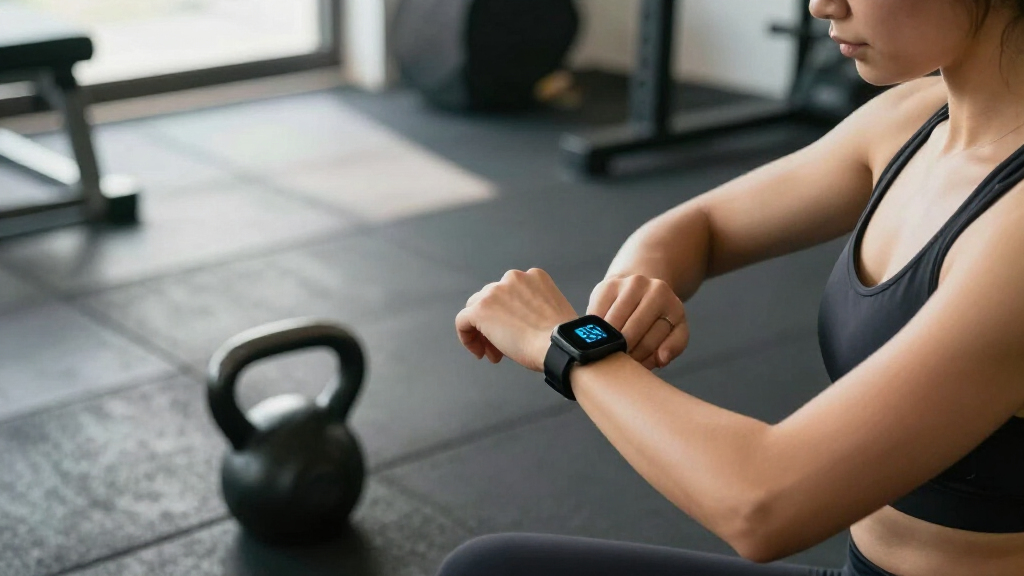
The categories capture different parts of the fitness market. Wearable technology includes devices such as smartwatches and fitness trackers, which can monitor activity, heart rate, sleep and other metrics. Data-driven training technology, ranked eighth, refers to using biometric information such as heart-rate variability, sleep quality and training load to guide exercise intensity or recovery decisions.
Several categories have a longer-running presence in the list. Programs for older adults were in the top five for the fifth consecutive year, ACSM reports. Exercise for mental health and well-being remained in the top 10 for a fourth consecutive year. Those streaks offer context for this year’s movement without establishing how popular the activities are among the general public.
“Technology continues to shape how people approach fitness, but this year’s rankings also highlight the value of shared experiences and programs that fit different stages of life.”
— Cayla McAvoy, lead author of the report and chair of ACSM’s Trends Workgroup
What the Survey Cannot Establish
The report ranks trends fitness professionals expect to shape the coming year; the supplied material does not give the survey’s sample size, response rate, field dates or detailed methodology. It also does not provide consumer participation figures, so the rankings cannot by themselves show how many people are buying wearables, attending Pilates classes or using exercise apps.
It remains unclear whether the shifts in ranking will translate into sustained changes in demand, business investment or exercise habits during 2027. A higher position is not evidence that a trend has grown by a specific percentage, nor does it establish that one form of exercise produces better results than another. The report is a forecast based on professional respondents, not a guarantee of what will happen.
ACSM’s comments on weight management and anti-obesity medications describe the organization’s view of exercise’s role. The report excerpt does not provide clinical outcome data or recommendations for any individual medication user. Personal exercise plans can depend on a person’s health and circumstances.
How 2027 Trends Will Be Tested
The report sets out the trends ACSM expects to influence the fitness industry during 2027; their standing will become clearer as gyms, studios, app providers and fitness professionals respond over the year. Future participation and business data would be needed to determine whether the professional rankings match changes in consumer behavior.
Readers can watch whether operators expand wearable-linked services, app-based coaching, Pilates and mobility offerings, older-adult programs or group classes. The report identifies these as areas of interest, but it does not announce a specific rollout, investment or policy change. ACSM’s next annual trends report will provide another opportunity to compare how professionals rank the categories.
Key Questions
What is ACSM’s top fitness trend for 2027?
Wearable technology ranked No. 1 in ACSM’s annual trends report. The category includes devices such as smartwatches and fitness trackers.
Which fitness trends rose most in the rankings?
Mobile exercise apps moved from fourth to second, and balance, flow and core strength rose from fifth to third. Group fitness classes climbed six positions, from No. 13 to No. 7.
Does the ranking show that wearables are the most used fitness product?
No. The report ranks trends fitness professionals expect to influence the industry. The supplied material does not give consumer usage figures, so it does not establish which products or activities people use most.
What does ACSM include in balance, flow and core strength?
The category includes Pilates, yoga, barre and mobility-focused exercise, along with activities intended to develop balance, flexibility, movement control or functional performance.
How does the report relate exercise to weight-loss medications?
ACSM says exercise can support muscle preservation, strength and physical function for people using anti-obesity medications. The report does not give individual medical advice or clinical results for a particular medication or exercise plan.
Source: rss