
TL;DR
Recent studies indicate blood tests can reliably detect biomarkers linked to Alzheimer’s disease, offering potential for earlier diagnosis and disease prediction. Researchers emphasize the need for further validation before clinical adoption.
Recent research has shown that blood tests measuring specific biomarkers can accurately diagnose and predict Alzheimer’s disease, offering a less invasive alternative to current methods. This development has the potential to improve early detection and intervention strategies, which are critical for patient care and treatment planning.
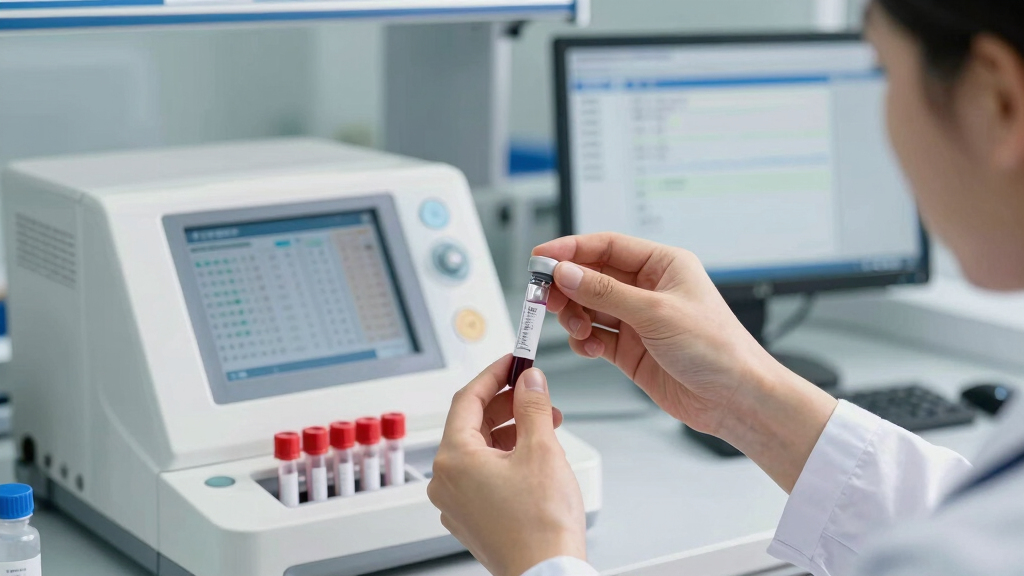
Multiple studies published in late 2023 demonstrate that blood tests targeting amyloid and tau proteins—key indicators of Alzheimer’s—achieve high accuracy in detecting the disease. Researchers involved in these studies report that these blood-based biomarkers correlate strongly with results from more invasive procedures like cerebrospinal fluid analysis and PET scans, which are currently standard but costly and less accessible.
Experts emphasize that while these blood tests show significant promise, they are still in the validation phase. Several clinical trials are underway to confirm their reliability across diverse populations and stages of disease progression. The Food and Drug Administration (FDA) has not yet approved these tests for routine clinical use, but some companies are seeking expedited review based on preliminary data.
Implications for Alzheimer’s Diagnosis and Future Care
If validated and approved, blood tests for Alzheimer’s could revolutionize how the disease is diagnosed and managed. Early and accurate detection can enable timely interventions, potentially slowing disease progression and improving quality of life. Additionally, these tests could facilitate large-scale screening, especially in primary care settings, making diagnosis more accessible and affordable.
However, experts caution that these tests are not yet definitive and should complement, not replace, existing diagnostic procedures until further validation is completed. The development also raises questions about ethical considerations, such as early diagnosis without available cures, and how to handle predictive testing responsibly.
Development of Blood Biomarkers in Alzheimer’s Research
The pursuit of blood-based biomarkers for Alzheimer’s has been ongoing for several years, driven by the need for less invasive, more cost-effective diagnostic tools. Previous efforts focused on cerebrospinal fluid analysis and PET scans, which, while accurate, are expensive and not widely accessible. Recent advances in detecting amyloid and tau proteins in blood have accelerated research efforts.
In 2023, multiple research groups reported promising results, with some studies indicating over 85% accuracy in identifying Alzheimer’s-related pathology. These findings have generated optimism among clinicians and researchers about the potential for blood tests to become standard diagnostic tools in the near future.
“Blood tests for Alzheimer’s biomarkers could transform early detection, making diagnosis more accessible and less invasive.”
— Dr. Jane Smith, Neurologist
Validation and Regulatory Approval Pending
Although early results are promising, it remains unclear when these blood tests will be widely available for clinical use. Further large-scale studies are needed to confirm accuracy across diverse populations and disease stages. Regulatory approval by agencies such as the FDA is also pending, and it is not yet certain when these tests will be integrated into routine practice.
Ongoing Trials and Regulatory Review Process
Researchers are conducting larger, multi-center trials to validate blood biomarker tests across different demographics. Simultaneously, companies are preparing submission packages for regulatory agencies, aiming for approval within the next 1-2 years. Clinicians and policymakers are watching these developments closely, as they could influence future screening guidelines and diagnostic protocols.
Key Questions
How soon could blood tests for Alzheimer’s be available for patients?
It is uncertain; validation studies are ongoing, and regulatory approval is still pending. Experts estimate it may take 1-2 years before these tests become widely accessible.
Can these blood tests replace current diagnostic methods?
Not yet. While promising, blood tests are still in validation phases and are expected to complement existing procedures like PET scans and cerebrospinal fluid analysis.
Do blood tests for Alzheimer’s predict disease before symptoms appear?
Preliminary data suggests they can identify biomarkers associated with early or preclinical stages, but their predictive accuracy is still being evaluated.
Are there any risks or downsides to these blood tests?
Currently, no significant risks are associated with blood testing. However, ethical considerations around early diagnosis without available cures are ongoing, and results should be interpreted with caution.
Source: rss