
TL;DR

Get workout gear delivered free with Prime
- Fast, free delivery on millions of items
- Prime Video, Amazon Music and more included
- Member-only deals all year
LumiMind describes LumiSleep D1 as a non-invasive EEG headband that adjusts acoustic guidance in real time for bedtime, returning to sleep overnight and daytime naps. The device is presented as a consumer sleep-support product, not a diagnostic or therapeutic medical device; improved sleep outcomes are not guaranteed.
LumiMind’s LumiSleep D1 is designed to pair real-time EEG monitoring with adaptive audio during bedtime wind-downs, overnight wake-ups and daytime naps, according to a product report published by Athletech News. The headband is pitched as a way to support the shift from wakefulness to rest after situations such as evening training, but the company says it is not a diagnostic or therapeutic medical device and does not guarantee improved sleep.
The device uses a seven-point soft dry-electrode array placed at the forehead to capture brain activity without conductive gel or disposable electrode materials. LumiMind says the headband processes those signals on the device and uses them to adjust acoustic guidance as the wearer unwinds. The report describes this process as Real-Time Neural Coupling Modulation, or RTNCM, a loop that monitors signals, interprets changes and generates sound intended to respond to them.
The audio combines two elements. SubTone is the ambient soundscape selected by the user in the LumiMind app, such as rain or tonal music. AuthenticBeats is a low-frequency rhythmic pulse that LumiMind says is generated in response to brain activity during the session. The company describes the guidance as personalized; the source does not provide independent testing or outcome data showing how well it helps users fall asleep.
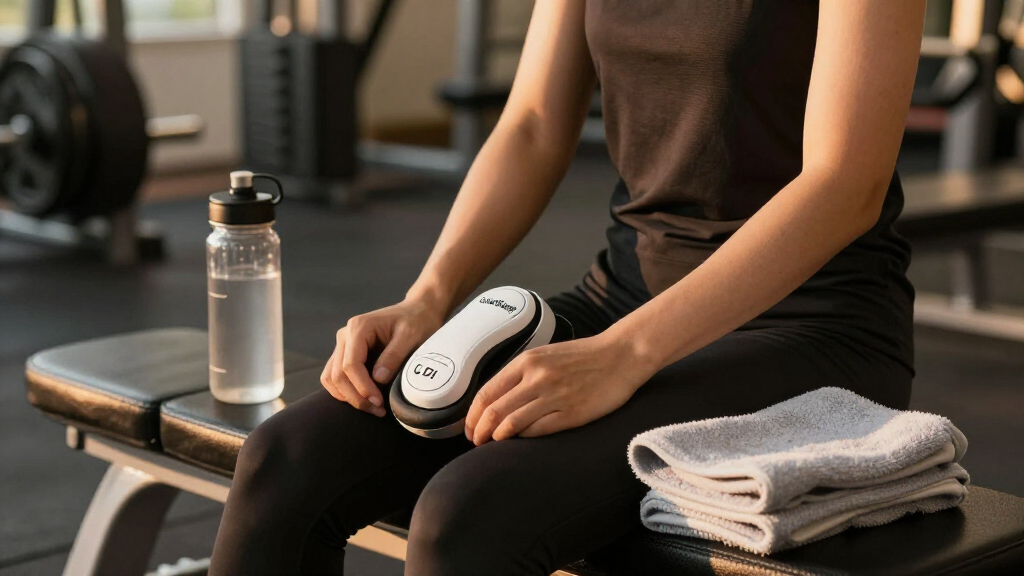
For a bedtime session, the user positions the headband, selects a sound and starts the experience with one touch. The report says users can remove it when drowsy or after about 30 minutes, or continue wearing it to monitor the transition into sleep. Keeping it on overnight is also required for ReSleep, a screen-free feature intended to provide matched audio if the wearer wakes and wants to return to sleep. LumiSleep D1 is also described as usable for daytime naps.
A Wind-Down Tool After Training
The product’s stated use goes beyond recording or displaying sleep data: it is designed to adjust sound during the session, rather than ask users to interpret readings themselves. That may interest people who exercise in the evening, travel or have limited time to rest, though the supplied report presents these as intended use cases, not proven benefits.
For athletes and other readers, the distinction between a sleep-support routine and a medical treatment matters. LumiMind describes the product as non-pharmaceutical support for sleep transitions, but it does not claim that the headband treats a sleep disorder or guarantees better sleep. The report supplies no clinical results, comparative data or evidence that use after exercise changes sleep outcomes.
The product also makes practical promises relevant to routine: audio and EEG processing are said to happen locally, and users can put their phone aside after starting a session. Comfort during side sleeping and turning is part of the design brief, but individual fit and tolerance may vary. These details may affect whether someone can use it consistently, yet they do not establish effectiveness.
Products Worth Considering

Oral-B iO Series 9 Limited Rechargeable Electric Toothbrush with 7 Cleaning Modes

Garmin Forerunner 55 GPS Running Smartwatch, Black

Therabody JetBoots Prime Wireless Compression Boots (Short, Under 29-Inch Inseam)
As an affiliate, we earn on qualifying purchases.
How the Audio Session Works
The Athletech News report frames LumiSleep D1 around the gap between feeling physically tired and being ready to sleep, including after an evening workout. Rather than treating exercise as a proven cause of a specific sleep problem, it presents post-training wind-down as one setting where users might want support settling down.
LumiMind says the system identifies a Sleep Onset Pattern, which it describes as brain activity associated with the shift from wakefulness toward sleep. The company says the sound guidance responds as signals change, rather than playing one fixed rhythm throughout. Its claim of millisecond-level responsiveness is attributed to LumiMind; the supplied material contains no independent verification.
The report says EEG capture, processing and acoustic generation operate on the headband, without requiring a phone or cloud connection once the session is running. The app is used to select soundscapes and manage the experience. Product design details include a cushioned over-ear structure, near-ear air-conduction audio and a lightly elastic headband. The report also notes design awards, but those recognitions do not establish sleep outcomes.
“The system operates with millisecond-level responsiveness.”
— LumiMind, as described in the Athletech News report
Evidence and Availability Remain Unclear
The supplied report does not state whether LumiSleep D1 is currently shipping, when it will be available, or what it will cost. It refers readers to LumiMind’s website and a Kickstarter campaign, but provides no campaign status, funding figures or delivery schedule.
It also does not include independent testing, clinical evidence, user-outcome data or comparisons with other sleep products. The performance claims—including the responsiveness of the system and the role of the identified sleep-onset pattern—are attributed to LumiMind. Whether the device improves sleep, how users respond to the audio and how reliably it works across different sleepers remain unestablished in the material provided.
Check the Campaign and Product Details
Readers interested in the headband can consult LumiMind’s website or Kickstarter campaign for current pricing, availability, delivery information and final product specifications. Those details are not provided in the Athletech News report, so campaign terms and timing should be checked directly rather than assumed.
Further reporting would be needed to assess independent performance evidence, real-world comfort and sleep outcomes. Until such information is available, LumiSleep D1 is best described as a consumer device designed to provide adaptive audio during rest routines, with no guaranteed sleep benefit.
Key Questions
What is LumiSleep D1?
LumiSleep D1 is a non-invasive EEG headband that LumiMind says monitors brain activity and adjusts acoustic guidance for bedtime wind-downs, overnight return-to-sleep sessions and daytime naps.
How does its audio guidance work?
The report describes two audio layers: a user-selected ambient soundscape called SubTone and a low-frequency rhythm called AuthenticBeats, which LumiMind says responds to EEG signals during the session.
Can it be used after an evening workout?
The product is presented as an option for people winding down after evening training, but the source does not provide evidence that it improves post-workout sleep. It describes an intended use, not a confirmed result.
Does LumiSleep D1 treat sleep disorders?
No. The report says the device is not intended as a diagnostic or therapeutic medical device, and improved sleep outcomes are not guaranteed.
What is not yet known about the product?
The supplied report does not give current availability, price, delivery timing or independent outcome data. LumiMind’s website or campaign may provide current sales details, while evidence of sleep effects is not included in the source.
Source: rss