
TL;DR

Get workout gear delivered free with Prime
- Fast, free delivery on millions of items
- Prime Video, Amazon Music and more included
- Member-only deals all year
A South Korean population-based observational study found that adults who were overweight or had obesity at ages 20 to 39 had higher cancer hazards over the following years than normal-weight participants. Absolute 10-year cancer incidence remained low, and the study cannot show that obesity caused the cancers or that weight loss would prevent them.
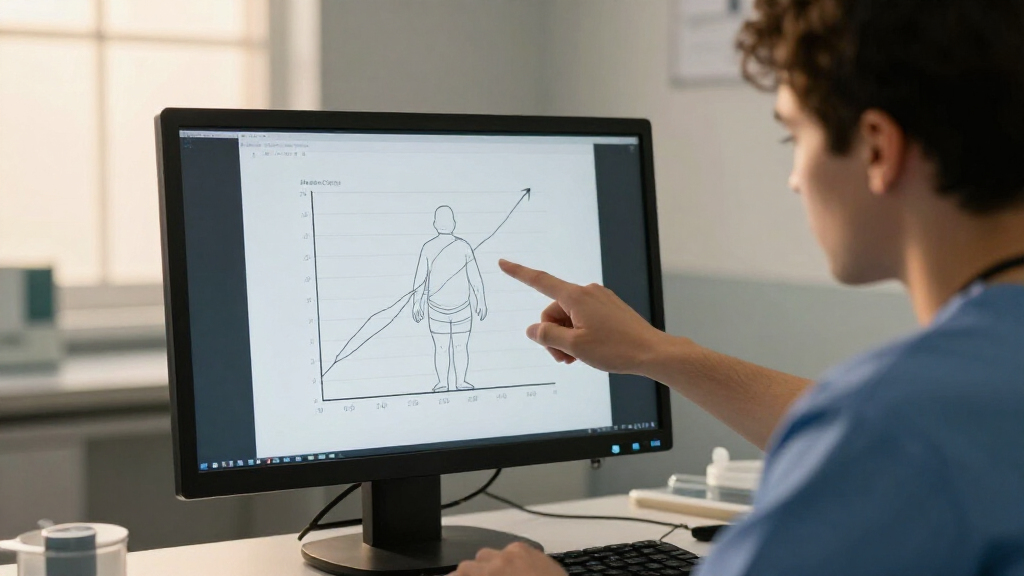
A study of 6.3 million South Korean adults found that higher body mass index in young adulthood was associated with a greater likelihood of cancer over the next decade, with the association continuing into middle age. The observational findings, reported by Kyungdo Han of Soongsil University and colleagues in Annals of Internal Medicine, show a pattern of increasing risk by BMI category but do not establish that obesity caused the cancers.
The researchers examined adults aged 20 to 39 who had at least one national health examination between 2009 and 2012, using health insurance data through 2021. Participants had a mean age of 30.9, and 59.3% were men. During an average follow-up of 11.2 years, the study recorded 151,893 cancers.
Ten-year cumulative incidence of any cancer rose from 1.84% among normal-weight participants to 2.24% among those with class I obesity and 2.62% among those with class II obesity, using BMI categories based on Asian-specific criteria. Compared with normal weight, the adjusted cancer hazard was 1.10 for overweight, 1.22 for class I obesity and 1.43 for class II obesity. These are relative hazard estimates; they do not mean that the same percentage of people in each category developed cancer.
The reported association was stronger among men than women. For overweight, class I obesity and class II obesity, the hazard ratios were respectively 1.13, 1.29 and 1.58 for men, compared with 1.08, 1.15 and 1.28 for women. The analysis also found that abdominal fat was associated with additional risk beyond BMI alone. For example, the 10-year incidence for people with class I obesity and abdominal obesity was 2.45%, compared with 2.13% for class I obesity without abdominal obesity.
By cancer type, the highest 10-year rates were reported for thyroid, endometrial and ovarian cancers, followed by colorectal, kidney, liver and pancreatic cancers. The report said breast cancer rates were lower among participants with obesity than among normal-weight young adults. The study covered multiple cancers, and its findings do not mean that every cancer type followed the same pattern.
How the Risk Pattern Was Measured
The findings add evidence about cancer risk in a group often underrepresented in earlier research: young adults. The study authors said that cancer prevention efforts have tended to focus on middle-aged and older people, while obesity prevalence has risen globally and multiple studies have reported increases in early-onset cancers. This research tracks participants from young adulthood into later years, offering a view of how early-life BMI relates to subsequent diagnoses.
The absolute differences are comparatively modest: the 10-year incidence ranged from 1.84% to 2.62% across the normal-weight and class II obesity groups. That distinction matters for readers. The relative hazards increased with BMI, but most participants in every category did not receive a cancer diagnosis during the 10-year window. The results describe population-level associations, not an individual prediction.
For health services, the results may support further investigation into how weight, abdominal fat and cancer risk intersect in younger people. They do not establish that broader screening for young adults with obesity would improve outcomes. The researchers called for work to determine whether intentional weight loss in early adulthood changes later cancer risk and whether any early screening approach is warranted.
Products Worth Considering

Withings Body Smart Wi-Fi and Bluetooth Body Composition Scale

Fitbit Versa Smart Watch – Black Aluminum, One Size (S & L Bands Included)

Fitbit Versa 4 Fitness Smartwatch – Black/Graphite
As an affiliate, we earn on qualifying purchases.
A Large Study of Young Adults
Researchers identified participants through South Korea’s national health insurance database. BMI was divided into five groups using criteria for Asian populations, and participants were also classified by waist circumference and abdominal obesity. The analysis accounted for several factors that can be related to cancer risk, including smoking status, alcohol intake, physical activity, income, residential area and existing health conditions.
The study adds detail to existing evidence linking excess weight with more than a dozen cancers, as summarized in the report. However, many earlier studies had limited information about young adults. The follow-up began with health examinations in 2009 to 2012, making this a contemporary population for the analysis, though the findings remain specific to the study setting and its participants.
Alpa Patel of the American Cancer Society, who was not involved in the research, told MedPage Today that the study offers additional information about early-onset cancers and reflects a more contemporary population than some older studies. Patel also pointed to a limitation: the researchers recorded smoking status but not smoking intensity or duration, both of which can contribute to cancer risk. The authors adjusted for several factors, but adjustment cannot remove every possible source of bias in an observational study.
“Although the absolute risk differences were modest, the consistency of associations across multiple cancer types and the young age of the population underscore the potential importance of early-life weight management.”
— Kyungdo Han and colleagues, as quoted in the study report
Limits of the Cancer Association
Because the research was observational, it shows an association rather than proof that obesity caused cancer. Adjustments for measured characteristics cannot rule out the influence of unmeasured factors, and the study does not establish why the association differed by sex or cancer type. Patel specifically noted that smoking intensity and duration were not reported, even though smoking status was included in the analysis.
The study also does not show whether intentional weight loss in young adulthood reduces later cancer risk, or whether screening people with obesity at younger ages would detect cancers earlier or improve outcomes. The population came from South Korea, so the results may not transfer directly to populations with different health systems, demographics or BMI distributions. The study’s absolute incidence figures apply to its participants and follow-up period, not to an individual’s personal prognosis.
Research on Weight Loss and Screening
The authors called for prospective studies to test whether intentional weight loss in early adulthood is associated with lower subsequent cancer risk. They also said research should identify whether there are clinical settings where earlier cancer screening for young adults with obesity might be warranted. The current study does not set out a screening recommendation or establish a specific next study or timetable.
Until further evidence is available, the main finding is a population-level link between higher BMI at ages 20 to 39 and higher cancer hazards over time. Whether changing weight alters that risk, and how clinicians should use the results in individual screening decisions, remains unresolved.
Key Questions
What did the study find?
In a study of 6.3 million South Korean adults aged 20 to 39, higher BMI was associated with higher cancer hazards over follow-up. Ten-year cumulative incidence ranged from 1.84% among normal-weight participants to 2.62% among those with class II obesity.
Does the study prove obesity causes cancer?
No. The study was observational and found an association. It cannot establish that obesity caused the cancers, even though researchers adjusted for several measured factors.
Which cancers had the highest reported rates?
The report identified thyroid, endometrial and ovarian cancers as having the highest 10-year rates in the analysis, followed by colorectal, kidney, liver and pancreatic cancers. Patterns varied by cancer type.
Did abdominal fat matter in addition to BMI?
The researchers reported that abdominal obesity was associated with additional cancer risk beyond BMI alone. For class I obesity, the 10-year incidence was 2.45% with abdominal obesity and 2.13% without it.
Does the study support earlier cancer screening for young adults with obesity?
It does not establish that earlier screening improves outcomes or recommend a screening change. The authors said further research is needed to determine whether screening in particular clinical settings might be warranted.
Source: medpagetoday.com