
TL;DR

Get workout gear delivered free with Prime
- Fast, free delivery on millions of items
- Prime Video, Amazon Music and more included
- Member-only deals all year
Physiologist and wellbeing expert Oli Patrick shared a five-point sleep checklist in an interview with Fit&Well: allow seven hours for sleep, keep regular sleep and wake times, get morning light, darken the bedroom and cool down before bed. These are his recommendations, not results from a clinical study; the report does not establish that the checklist will resolve persistent sleep problems.
Physiologist and wellbeing expert Oli Patrick has outlined five habits he says can support sleep: allowing time for at least seven hours of rest, keeping regular sleep and wake times, getting morning light, reducing bedroom light at night and cooling the body before bed. He shared the checklist with Fit&Well at an event for Eight Sleep’s Pod 6 mattress cover, while also saying the habits can be tried without buying sleep-tracking technology.
Patrick’s first two recommendations focus on sleep opportunity and routine. He advises setting aside at least seven hours and waking and going to bed at consistent times. He links regular timing to the body’s circadian rhythm, the roughly 24-hour cycle that helps coordinate sleep and waking. The report presents his explanation and advice; it does not cite a study testing this particular five-point checklist.
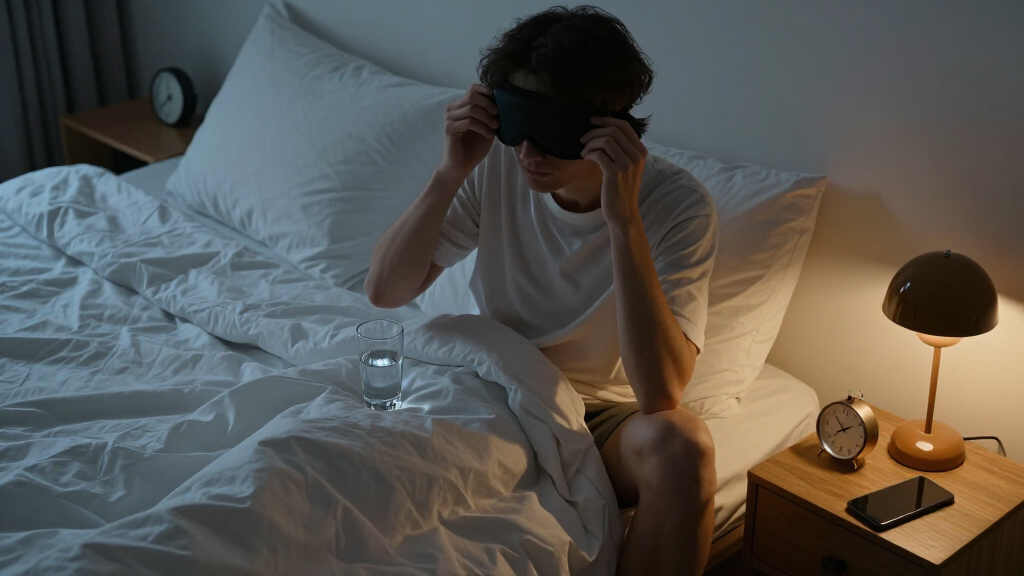
His next suggestions are to seek 10 to 15 minutes of daylight within the first hour after waking and make the bedroom as dark as is comfortable at night. Patrick says morning light can provide a timing cue for the body, while limiting light in the evening—including light from phones, laptops and televisions—can help signal that it is time to sleep. He says bright artificial light may be an option when getting outdoors is not practical.
The final point is to cool the body before bed. Patrick suggests avoiding late meals, exercise or work if they raise body temperature or keep someone alert, and says a quick shower may help the body lose heat afterward. He also advocates for Eight Sleep’s temperature-adjusting mattress cover, but the report makes clear that his broader suggestions do not require a device. If sleep remains difficult, he recommends reviewing caffeine and alcohol habits and trying calming practices such as journaling, breathing exercises or yoga.
Five Habits, No Device Required
The checklist turns broad sleep advice into specific routines readers can test, including a consistent wake time and a short period of morning light. Its relevance is practical: these steps do not depend on purchasing a smart mattress cover, even though Patrick discussed them at an event tied to one.
However, the checklist should not be read as proof that five changes will fix insomnia or other ongoing sleep problems. The source is an interview, not a clinical trial, and Patrick’s views are expert recommendations rather than demonstrated outcomes. Persistent or concerning sleep difficulties may warrant advice from a qualified health professional.
Products Worth Considering

BowFlex Results Series SelectTech 552 Adjustable Dumbbell

Levoit Vital 100S-P Air Purifier

BowFlex Results Series SelectTech Adjustable Dumbbells (Pair)
As an affiliate, we earn on qualifying purchases.
Patrick gave the recommendations while speaking at an Eight Sleep event marking the launch of Pod 6, a mattress cover the company says can track health metrics such as heart rate and adjust its temperature. Fit&Well reported that Patrick advocates for the device but told the publication people can work on sleep without technology.
Fit&Well identifies Patrick as a physiologist and wellbeing expert with an exercise sciences degree from the University of Birmingham. It says he created a Level 7 health and wellbeing physiology diploma in 2004 and has held roles in health and corporate wellbeing. That background informs his advice, but the article does not provide research data comparing his checklist with other approaches.
““You’re a pretty special creature if you can genuinely do all the amazing jobs sleep does in less than seven hours.””
— Oli Patrick, physiologist and wellbeing expert, speaking to Fit&Well
What the Checklist Cannot Establish
The report does not identify a clinical study, trial or measured outcome showing that Patrick’s five recommendations improve sleep for readers. It also does not specify how long someone should follow the checklist before judging whether it helps, or how the advice should be adapted for different schedules and health conditions.
Patrick says he has rarely met people who followed all the listed habits and still struggled, but that is his personal observation, not evidence that the checklist works for everyone. The report does not explain when persistent sleep problems should prompt medical assessment or identify possible underlying causes.
Try Changes and Track Results
Readers who choose to test the advice can make changes one at a time—such as keeping a steady wake time or reducing evening light—and note whether their sleep changes. Patrick’s suggestions also include limiting caffeine after lunch, avoiding alcohol and trying a relaxing activity if the core habits do not help. These are recommendations from the interview, not a prescribed treatment plan.
The source reports no follow-up study or formal evaluation of the checklist. Anyone whose sleep remains poor, worsens, or affects daily functioning can discuss it with a healthcare professional rather than relying on lifestyle adjustments alone. No further development or response from Eight Sleep is included in the report.
Key Questions
What are the five habits in Patrick’s sleep checklist?
He recommends allowing seven hours or more for sleep, keeping regular bed and wake times, getting morning light, making the bedroom dark at night and cooling the body before bed.
Does the advice require a smart mattress cover?
No. Patrick discussed the checklist at an Eight Sleep event and advocates for its temperature-adjusting cover, but told Fit&Well that people can try the habits without sleep technology.
How much morning light does Patrick recommend?
He recommends seeking 10 to 15 minutes of daylight within the first hour after waking. He also mentions bright artificial light as an alternative when outdoor light is not available.
Does the checklist prove these habits will cure sleep problems?
No. The report presents Patrick’s advice and does not cite a trial testing the checklist or show that it cures insomnia. People with ongoing or concerning sleep problems can seek guidance from a healthcare professional.
Source: rss