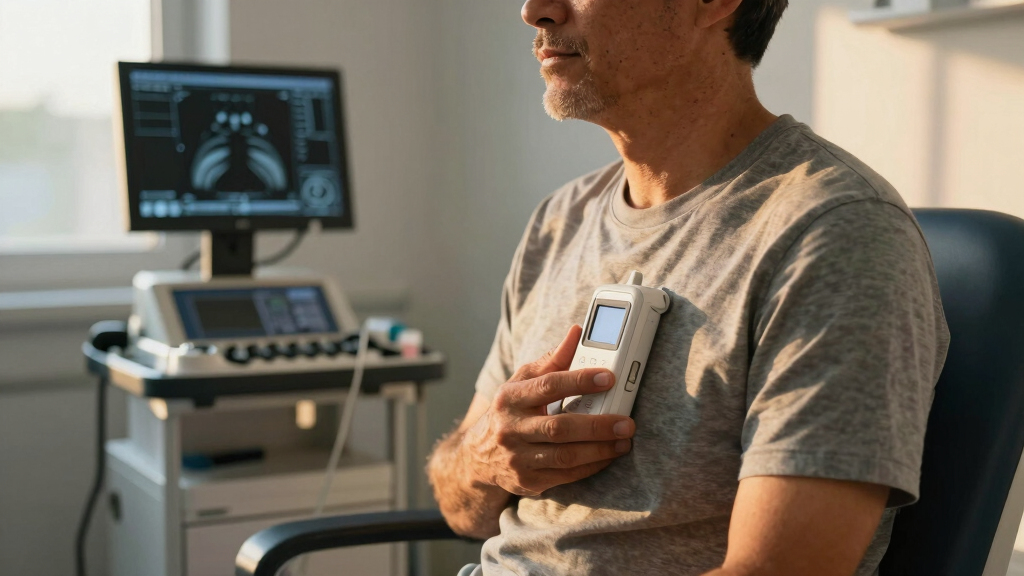

TL;DR
A man who quit smoking years ago was unexpectedly diagnosed with lung cancer during a routine scan. The discovery was life-saving, emphasizing the value of ongoing health screenings. Details about his treatment and prognosis are still emerging.
A man who had quit smoking several years ago was diagnosed with lung cancer during a routine scan, a discovery that likely saved his life. The diagnosis highlights the ongoing risk of lung cancer even after quitting smoking and underscores the importance of regular health screenings.
The individual, whose identity has not been publicly disclosed, underwent a routine health check-up that included a lung scan. The scan revealed early-stage lung cancer, which was confirmed by further testing. According to medical sources, the man had quit smoking approximately five years prior, after a long history of tobacco use.
Doctors say the early detection was crucial, as lung cancer is often diagnosed at advanced stages. The patient is now receiving treatment, though specific details about his prognosis and treatment plan are not yet available. Experts note that smoking cessation reduces risk but does not eliminate it entirely, especially for long-term smokers.
Implications of Lung Cancer Detection After Quitting Smoking
This case underscores the importance of continued health screenings for former smokers, as lung cancer can develop years after quitting. It also raises awareness about the persistent risks associated with tobacco use and the need for vigilance regardless of smoking history. Early detection remains the most effective way to improve survival rates for lung cancer patients, making routine scans a valuable tool.
Background on Lung Cancer Risks Post-Smoking Cessation
Lung cancer is the leading cause of cancer-related deaths worldwide. While smoking is the primary risk factor, studies show that former smokers still face a significant risk of developing the disease, even years after quitting. Medical guidelines recommend regular screenings for high-risk groups, particularly those with a history of heavy smoking. This case highlights the ongoing relevance of such screenings and the potential for early intervention.
“This case demonstrates that quitting smoking significantly reduces risk, but it doesn’t eliminate it. Regular screenings are essential for early detection, especially for long-term smokers.”
— Dr. Jane Smith, Oncologist
Details on Patient’s Treatment and Long-Term Outlook
Specific information about the patient’s treatment plan and prognosis has not yet been disclosed. It remains unclear how advanced the cancer was at detection or how the patient is responding to treatment. Further updates are expected as medical teams evaluate his condition.
Next Steps in Patient Care and Broader Screening Recommendations
The patient will continue treatment, and medical teams will monitor his progress. Health authorities may reinforce guidelines for routine screenings among former smokers. Additional research may also explore the long-term risks of lung cancer after quitting smoking and the optimal timing for screenings.
Key Questions
Can quitting smoking eliminate the risk of lung cancer?
Quitting smoking significantly reduces the risk but does not eliminate it entirely, especially for long-term smokers. Continued health screenings are recommended for early detection.
How common is lung cancer among former smokers?
Former smokers still face a notable risk of developing lung cancer, with risk decreasing over time but remaining higher than never-smokers. Regular screenings can help detect the disease early.
What are the recommended screening methods for lung cancer?
Low-dose computed tomography (LDCT) scans are commonly recommended for high-risk groups, including long-term former smokers, to detect lung cancer early.
Should all former smokers get routine lung scans?
It depends on individual risk factors such as age, smoking history, and overall health. Medical guidance can help determine the appropriate screening schedule.
What is the prognosis for early-detected lung cancer?
Early detection generally improves survival rates, but outcomes depend on cancer stage and treatment response. Ongoing medical evaluation is essential.
Source: rss