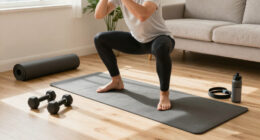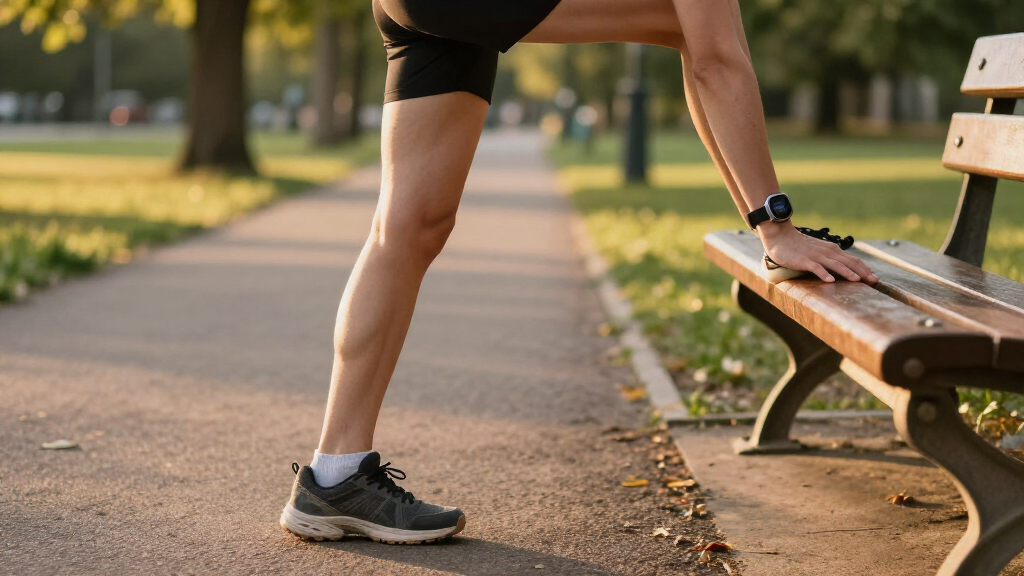

TL;DR

Get workout gear delivered free with Prime
- Fast, free delivery on millions of items
- Prime Video, Amazon Music and more included
- Member-only deals all year
A Fit&Well writer reports doing child’s pose and a standing forward fold after daily walks to address stiffness noticed after moving to a hilly area. Physiotherapist Helen O’Leary says the poses stretch lower-back soft tissues and may ease discomfort, but the report is a personal account, not evidence that the routine works for everyone.
Fit&Well has reported that one of its writers now does child’s pose and a standing forward fold after daily walks, after noticing stiffness in the legs, hips and back while walking in a hilly area. Physiotherapist Helen O’Leary says the positions can stretch lower-back soft tissues and may alleviate discomfort, though the article describes one person’s routine rather than a tested treatment.
The writer says walking is their only daily form of exercise and that walks generally last no longer than an hour. They had assumed a low-impact walk did not require recovery, but began feeling stiffness after moving somewhere hillier. The report describes the two stretches as taking a few minutes, with each held for about one minute.
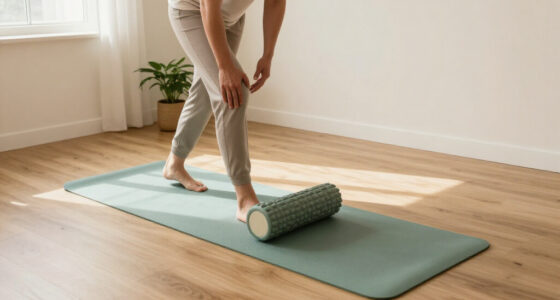
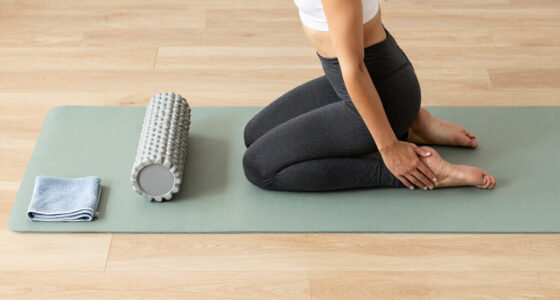
For child’s pose, the instructions are to kneel with the knees wider than hip-width, reach the arms forward and sit the hips back. For a standing forward fold, stand with feet hip-width apart and lower the arms towards the feet, keeping the knees bent; stop at the point where a stretch is felt in the hamstrings.
O’Leary says both poses place the spine in flexion and stretch soft tissues in the lower back. She also suggests modifying child’s pose with a side bend: walk the hands to one side while sitting back, then repeat on the other side. The article does not give clinical study results or quantify how much the stretches reduce stiffness.
A Short Routine After Hilly Walks
The report offers readers a simple example of how a short movement routine can be attached to an existing daily habit. Its writer calls this habit stacking: linking stretching to the end of a walk so it becomes part of the same routine. That is the writer’s account of what helps them stretch consistently, not a guarantee that others will build the same habit or feel the same effects.
The physiotherapist’s comments give a functional explanation for the choices: the poses move the spine into flexion and stretch lower-back tissues. This may be relevant to people who feel stiff after walking, but individual causes and responses differ. The story supports a modest takeaway—gentle stretching is one option to try—not a claim that stretching is necessary after every walk or prevents injury.
Products Worth Considering

Oral-B iO Series 7 Rechargeable Electric Toothbrush with 2 Brush Heads and Charging Travel Case

Fitbit Versa Smart Watch – Black Aluminum, One Size (S & L Bands Included)

Withings Body Smart Wi-Fi and Bluetooth Body Composition Scale
As an affiliate, we earn on qualifying purchases.
Why the Writer Added Two Poses
The routine followed a change in the writer’s surroundings. After moving to a hilly area, they noticed stiffness in their legs, hips and back despite describing their walks as low-intensity. The report notes that regular walking can still leave a person feeling stiff, particularly after a longer outing.
O’Leary says stiffness or aching after walking is quite common, especially after a long walk, and that certain stretches can alleviate discomfort. She explains that standing places the lower back in a neutral or slightly extended position, which loads small joints in the spine. The source presents this as her explanation, not a diagnosis of the writer’s symptoms.
““It is quite common to feel a bit stiff or achy after walking, particularly following a long walk, and certain stretches can alleviate that discomfort.””
— Helen O’Leary, physiotherapist at Complete Pilates, as quoted by Fit&Well
What the Report Does Not Establish
The article does not establish that the stretches relieve tight hips or tired legs for everyone. The reported improvement—feeling less stiff for the rest of the day—comes from the writer’s personal experience, and no measurements, comparison group or clinical trial are described. O’Leary’s comments explain possible effects but do not confirm the cause of any individual’s stiffness.
The report also does not specify how readers should adapt the poses for injuries, persistent pain or limited mobility. Anyone whose symptoms are severe, ongoing or worsening should seek advice from a qualified health professional rather than relying on this routine alone. The source gives no evidence that these stretches are required after every walk.
How Readers Can Approach the Routine
The report describes a routine readers can try gently: hold each position for about a minute, avoid forcing the movement and keep a bend in the knees during the forward fold. In child’s pose, the suggested side bend should be repeated on both sides. Readers can stop if a movement causes pain rather than a mild stretch.
Fit&Well’s account does not announce a study or a formal exercise programme, and no further research or follow-up is cited. The next practical step for anyone interested is to see whether the movements feel comfortable after a walk and consult a physiotherapist or other qualified professional if stiffness persists or raises concern.
Key Questions
Which two stretches does the Fit&Well writer do after walking?
The writer says they do child’s pose and a standing forward fold, holding each for about a minute.
How does the report describe child’s pose?
Kneel with the knees wider than hip-width, reach the arms forward and sit the hips back. O’Leary also suggests walking the hands to one side for a side bend, then repeating on the other side.
What does a standing forward fold involve?
Stand with feet hip-width apart and lower the arms towards the feet, keeping the knees bent. Stop when you feel a stretch in the hamstrings; do not force the movement.
Does the report prove these stretches will relieve stiffness?
No. The reported benefit is the writer’s personal experience. The physiotherapist describes how the poses may stretch lower-back tissues, but the article does not report clinical testing or show that the routine works for everyone.
What if stretching causes pain or stiffness continues?
Do not push through pain. If symptoms persist, worsen or concern you, seek guidance from a qualified health professional. The report does not provide individualized medical advice.
Source: fitandwell.com