
TL;DR

Get workout gear delivered free with Prime
- Fast, free delivery on millions of items
- Prime Video, Amazon Music and more included
- Member-only deals all year
Fit&Well reports that physical therapist Dr. Margaret Tsai recommends four stretches after a hike or longer walk: calf, cat-cow, figure-four and hamstring stretches. Tsai advises easing into each move without pain and checking with a doctor before trying them if you have an injury or concerns.
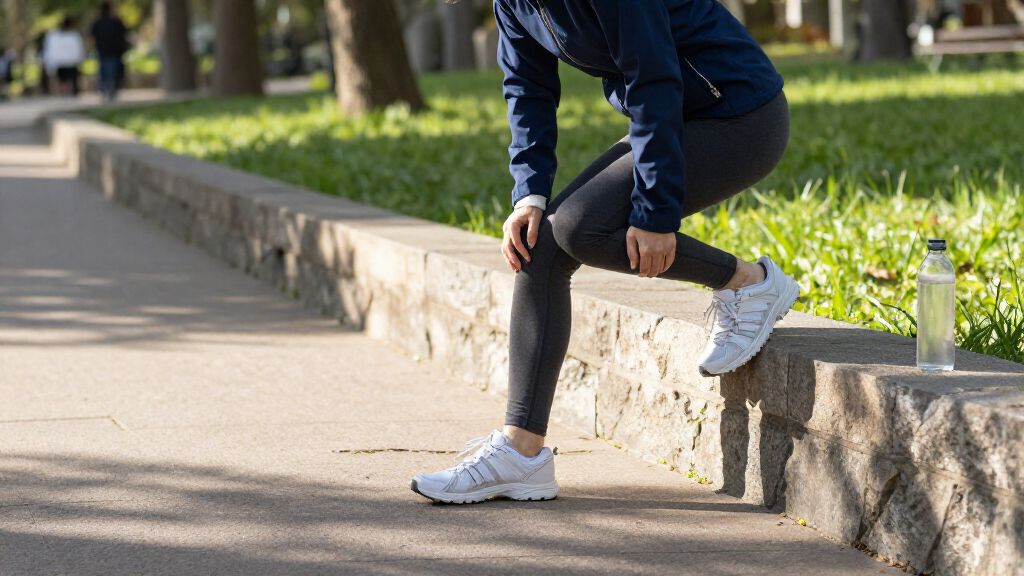
Fit&Well has published a set of four stretches that physical therapist Dr. Margaret Tsai recommends after a hike or longer walk, when the legs and hips may feel stiff or sore. The routine covers the calves, hamstrings, hips and back, with Tsai advising readers to move gradually and stop short of pain.
The four suggested moves are a standing calf stretch, cat-cow, a supine figure-four stretch and a standing hamstring stretch. Tsai says the stretches address muscle groups used during walking, including the core, back, hips and glutes, hamstrings and calves. The report presents them as post-walk mobility options, not as a treatment for an injury or a guarantee against stiffness.
For the three held stretches, the report gives a general duration of 10 to 30 seconds, with longer holds of 30 to 60 seconds potentially more beneficial for older adults, according to Tsai. The step-by-step instructions allow holds of 10 to 60 seconds, so readers should choose a comfortable duration rather than force a longer one. Cat-cow is different: Tsai suggests moving between the two positions with the breath for about one minute.
The calf stretch is done against a wall, with the heel down and the stretching knee straight. For cat-cow, get on hands and knees and alternate between gently rounding and arching the back. The figure-four is performed lying down, crossing one ankle over the opposite knee and drawing the supporting leg toward the chest as comfortable. For the hamstring stretch, extend one foot in front, keep its heel on the floor and hinge the hips back; a wall or chair can provide balance support.
A Gentle Routine After Longer Walks
The report offers walkers a short, structured way to stretch several areas that can feel tight after spending more time on their feet. Its practical value is in the technique and safety guidance: each move can be adjusted to reduce intensity, and support can be used for balance. The advice is most relevant after a hike or longer outing; the source says a short stroll is less likely to leave someone stiff or sore.
It does not establish that these four moves prevent stiffness, improve mobility for every person, or replace individualized care. Tsai’s recommendations are presented as general exercise guidance. Readers with injuries or other reservations are advised to consult a doctor before trying the stretches.
Products Worth Considering

Withings BeamO Contactless Smart Thermometer, ECG Monitor, and Stethoscope

Withings BPM Connect Blood Pressure Monitor with Wi-Fi and Bluetooth

Philips Sonicare 5950 Rechargeable Electric Toothbrush with 2 Brush Heads, Pink
As an affiliate, we earn on qualifying purchases.
How the Four Moves Fit Together
The Fit&Well report describes walking as a beginner-friendly activity but says a larger dose of walking can place strain on the quads, hamstrings, calves and hips. It frames the stretches as a follow-up to hikes or longer walks rather than something required after every brief stroll. The advice includes a gradual approach: try stretching two to three times a week initially, then build toward daily stretching if it feels comfortable.
Tsai’s form notes distinguish the movements. She advises keeping a neutral back for all the stretches except cat-cow, which deliberately alternates between rounding and arching the spine. In cat-cow, she recommends moving slowly, exhaling as the back rounds and inhaling as it arches. For other moves, readers can reduce the stretch by changing their position—for example, moving the heel closer to the wall in the calf stretch or not lifting the leg in the figure-four if the starting position already feels strong.
“These stretches target the major muscle groups that are utilized [during walking], specifically the core, back, hip/glutes, hamstrings, and calves.”
— Dr. Margaret Tsai, physical therapist with Sutter Health, as quoted by Fit&Well
Limits of the Stretching Advice
The supplied report does not provide clinical-trial results or evidence that this specific sequence will prevent stiffness, reduce pain, or preserve mobility. It also does not define an ideal hold time for every individual; it offers general ranges, with longer holds suggested as a possible benefit for older adults. How a person responds may depend on their health, fitness and any existing injury.
The report advises people with injuries or reservations to check with a doctor, but does not specify which conditions make each movement unsuitable. It also does not give a detailed plan for pain that persists after walking. Anyone experiencing pain should not interpret the routine as a substitute for professional assessment.
How to Try the Routine Safely
Readers who want to try the sequence can begin with a comfortable range of motion and short, gentle holds, following the report’s instructions rather than pushing for maximum intensity. Use a stable wall or chair for balance during standing stretches, keep the heel grounded in the calf and hamstring moves, and move slowly through cat-cow. Stop if a stretch causes pain; Tsai recommends checking with a doctor first when an injury or concern is present.
The report suggests starting at two to three sessions per week and increasing frequency toward daily stretching only as comfortable. It provides no follow-up study or clinical outcome, so any effect on an individual’s stiffness or mobility remains personal rather than established by the article.
Key Questions
Which four stretches does the report recommend after walking?
It lists a standing calf stretch, cat-cow, a supine figure-four stretch and a standing hamstring stretch.
How long should each stretch be held?
Tsai gives a general range of 10 to 30 seconds for static stretches and says 30 to 60 seconds may offer more benefit for older adults. The report suggests doing cat-cow for about one minute. Choose a comfortable duration and do not push into pain.
Should these stretches be done after every walk?
The report focuses on hikes and longer walks, and says a short stroll is less likely to cause stiffness or soreness. It suggests beginning with stretching two to three times a week and building toward daily practice if comfortable; it does not say everyone needs to stretch after every walk.
What should I do if a stretch hurts or I have an injury?
Tsai advises easing into each stretch until there is comfortable tension, never pain. The report says people with an injury or reservations should check with a doctor before trying the moves.
Source: fitandwell.com