
TL;DR
Scientists monitored 12 volunteers in Antarctica for 10 months to study human adaptation to extreme environments. The research could inform future Mars exploration efforts. Details of the findings are still developing.
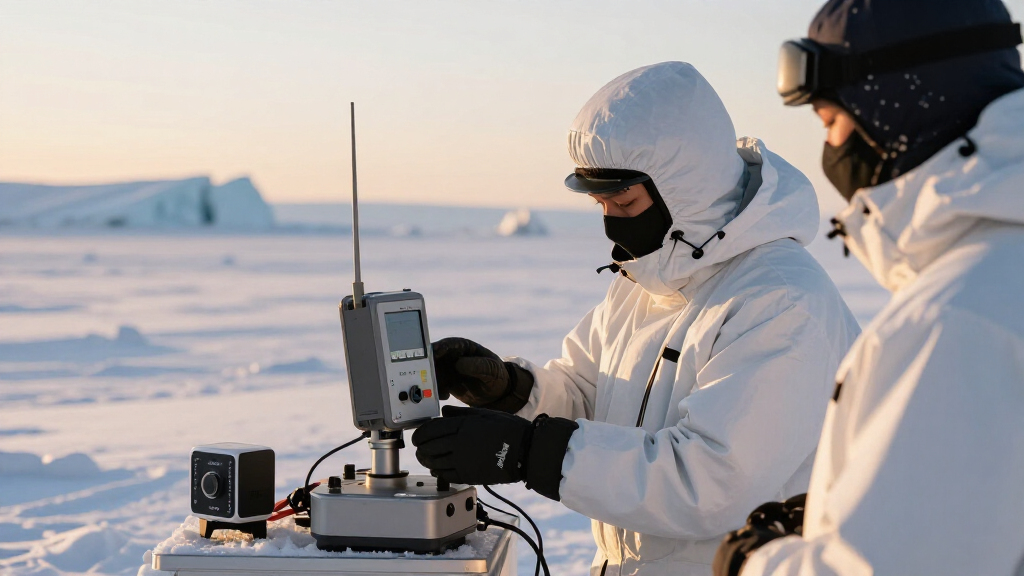
Scientists conducted a 10-month study involving 12 volunteers in Antarctica to observe how humans adapt to extreme environments. This research aims to inform future Mars missions by understanding physiological and psychological responses to prolonged isolation and harsh conditions. The study’s initial data collection has concluded, but detailed results are still being analyzed.
The study was carried out by a team of researchers from multiple institutions, including space agencies and universities. Participants lived in a simulated Antarctic habitat designed to mimic conditions on Mars, including extreme cold, limited sunlight, and confinement. Throughout the period, scientists monitored their physical health, mental well-being, sleep patterns, and adaptation strategies.
Preliminary observations indicate that participants experienced typical challenges associated with isolation, such as mood fluctuations and sleep disruptions. The research also recorded physiological data, including immune responses and metabolic changes, which could be critical for planning long-duration space missions. The full analysis of these findings is expected to be published in upcoming scientific journals.
Potential Impact on Mars Mission Planning
This research could significantly influence how space agencies prepare for long-term missions to Mars. Understanding human resilience, health risks, and effective coping mechanisms in extreme environments helps develop better training, habitat design, and health protocols. The findings may also contribute to advancements in life support systems and psychological support strategies for astronauts.
Amazon Product B0DGGDFSPQ
As an affiliate, we earn on qualifying purchases.
Antarctica as a Proxy for Space Conditions
Previous studies have used isolated environments like Antarctica and underwater habitats to simulate space conditions. This 10-month experiment builds on such efforts, aiming to provide more comprehensive data on human adaptation. The research comes amid increasing interest from NASA, ESA, and private space companies in establishing sustainable long-term missions beyond Earth.
While the study is among the longest of its kind, it is part of a broader effort to understand the physical and mental toll of space travel, especially for missions lasting several years. The experiment also considers the psychological impact of confinement and communication delays similar to those experienced during Mars transit.
“This study provides critical insights into human resilience in extreme environments, which is essential for future Mars exploration.”
— Dr. Laura Jensen, lead researcher
Amazon Product B01LXL27XI
As an affiliate, we earn on qualifying purchases.
Unconfirmed Aspects of the Study’s Findings
While initial observations are promising, full results and conclusions from the study are still pending peer review. It is not yet clear how the data will translate into specific protocols or technology changes for future space missions. Additionally, the long-term psychological effects beyond the 10 months remain under investigation, and the impact of individual differences is still being analyzed.
Amazon Product B0B73XM8ZB
As an affiliate, we earn on qualifying purchases.
Next Steps in Space Environment Research
The research team plans to publish detailed findings in scientific journals over the coming months. They will also compare data with similar studies conducted in other isolated environments. Space agencies are expected to incorporate insights into upcoming mission designs, and further experiments may involve longer durations or different environmental simulations to refine understanding of human adaptation for Mars and beyond.
Amazon Product B0CD9LSV9T
As an affiliate, we earn on qualifying purchases.
Key Questions
What was the main goal of the Antarctic study?
The main goal was to understand how humans adapt physically and psychologically to extreme, isolated environments, with implications for future Mars missions.
Who conducted this research?
The study was led by a team of scientists from multiple institutions, including space agencies and universities, with support from international partners.
Are the findings applicable to space travel now?
The findings are preliminary but could influence future mission planning, habitat design, and health protocols for long-duration space travel.
When will the full results be available?
Full results are expected to be published in scientific journals over the next few months as data analysis concludes.
What are the limitations of this study?
Limitations include the relatively short duration compared to actual Mars missions, and the need for further research to understand long-term psychological effects.
Source: rss