
TL;DR
Adjustable dumbbell sets combine multiple weight settings in one compact pair, saving storage space compared with a rack of fixed weights. Compare each dumbbell’s range and increments, how the mechanism changes weight, its handling and safety instructions, and whether the load suits your training now and as you progress.
A pair of adjustable dumbbells can replace a whole row of weights, but only if its settings match the way you train. A set that tops out too soon can stall your workouts; one with awkward weight changes may sit untouched beside the sofa.

Get workout gear delivered free with Prime
- Fast, free delivery on millions of items
- Prime Video, Amazon Music and more included
- Member-only deals all year
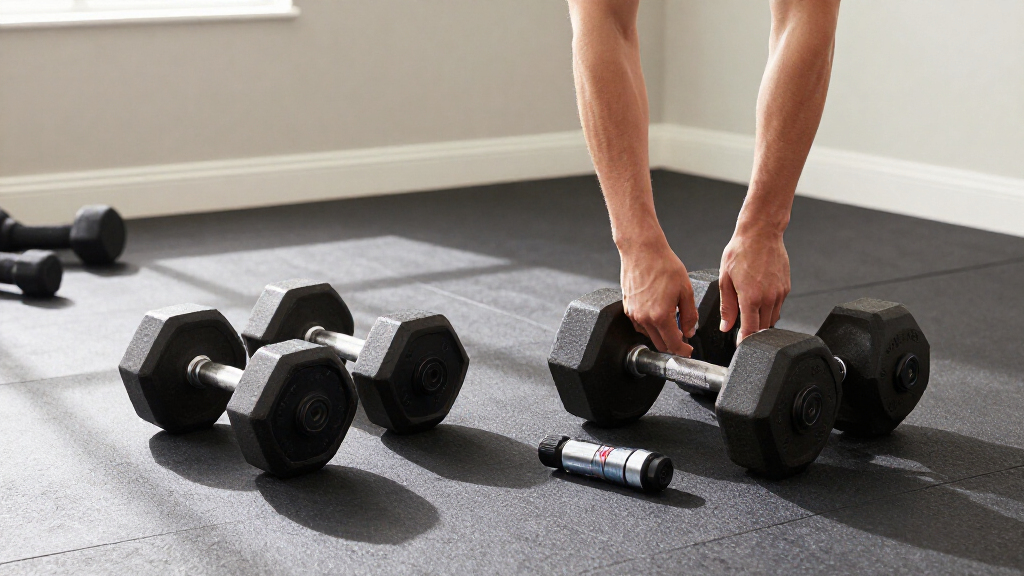
Adjustable dumbbell sets combine multiple weight settings in one compact pair. Instead of storing a full rack of fixed dumbbells, you select the load on each handle, often with a dial, pin, or spin-lock collar. That can make home strength training easier to fit into a spare room, though you still need a stable place for the weights and their tray.
This guide walks you through the details that matter: weight range, adjustment speed, grip, storage, and safe use. You’ll also see why a pair rated for heavier lifts isn’t automatically the best choice, and how to picture a sensible purchase in a real home workout.
Check the weight range for each dumbbell and verify whether the listed maximum is per dumbbell or per pair.
Compare increments as well as maximum capacity; smaller jumps can make gradual progression more manageable.
Choose a dial, pin, or spin-lock style based on how often you change loads and how you plan to train.
Measure for the tray and consider dumbbell length, grip, and movement clearance in your workout space.
Follow the manufacturer’s instructions, inspect locks, and never drop a set unless it is explicitly designed for impact.
What Adjustable Dumbbells Give You in a Small Home Gym
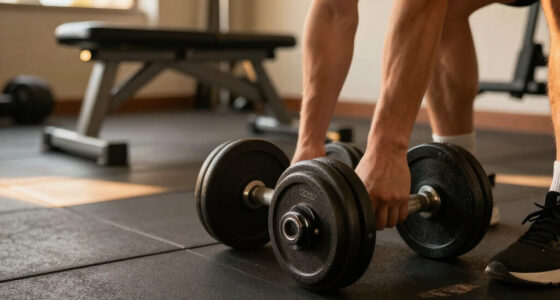
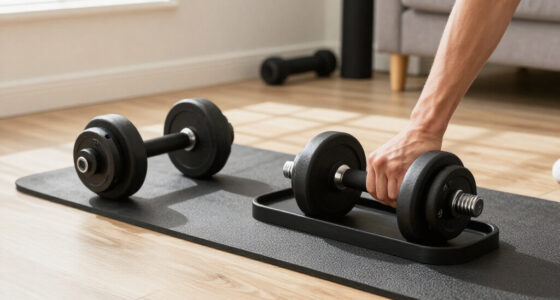
Adjustable dumbbells combine several loads on a single handle, letting you change resistance without lining up a separate pair for every exercise. When you select a setting, the mechanism engages the matching plates or weighted sections; the rest remain in the tray or base. The space saving can be substantial, but the tray is part of the equipment: it needs a level, reachable spot where you can set the dumbbell down and lift it back out without twisting or reaching around furniture.
Imagine a beginner doing goblet squats, rows, and shoulder presses in a spare bedroom. Fixed dumbbells would mean buying and storing a separate pair for each load. An adjustable pair takes less floor space and lets the same training area serve several exercises. A quick selector keeps a circuit moving, while a plate-based system may take longer to adjust but can cost less. The practical tradeoff is how often you switch weights: a few changes between exercise blocks may be no burden, while repeated changes during a circuit can make a slow mechanism frustrating enough to disrupt the workout.
Adjustable designs also feel different from traditional dumbbells because their parts and plates can change the handle’s length, balance, or shape. A longer handle may bump your forearm during curls; bulky ends can restrict how close the weights come to your chest during a floor press. That matters because discomfort or limited clearance can change your technique, even when the selected weight is appropriate. Space savings are useful only if the dumbbell also fits your movements, so check its dimensions and consider which exercises might bring it close to your body.
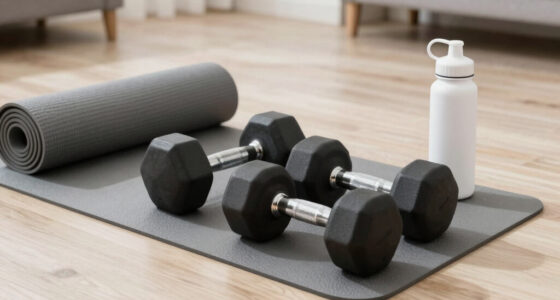
Keep storage and lifting space in view together. A tray tucked behind a door might technically fit, but retrieving the weights can become an obstacle before each session. A level spot beside a mat makes both access and put-away simpler, while clear floor around it helps you move without clipping a wall or chair. In a small home gym, that easy setup can matter as much as the compact storage itself.
Products Worth Considering

Coway Mighty AP-1512HH Air Purifier, Black

LEVOIT Vital 200S-P Smart Air Purifier for Large Rooms up to 1875 ft², Quiet 27 dB Operation, AHAM Verifide, HEPA Sleep Mode, White

Therabody Theragun Prime 6th Generation Deep Tissue Massage Gun, Navy
As an affiliate, we earn on qualifying purchases.
Compare Weight Range and Increments Before You Buy
The useful weight range is the one that covers your exercises today and leaves room to progress. Check the minimum and maximum weight for each dumbbell, plus the size of each jump between settings. The minimum matters because smaller movements often call for less resistance than rows or squats; a set that starts too heavy can make those exercises hard to perform with control. The maximum matters when your stronger movements become easy at the current top setting. A high ceiling has little value if you cannot use that load safely, but a range that is already too light may force you to replace the set sooner.
Suppose you use 5-pound dumbbells for shoulder raises and need a heavier load for rows. A set that begins at 10 pounds may leave your shoulders with no manageable starting option, even if its maximum is impressive. Another buyer may already row much heavier and need a larger upper range. This difference is why a product’s headline maximum cannot answer whether it fits your routine: each exercise puts a different demand on the muscles, and a single set must cover the loads you can control across those movements.
Increments affect how easily you can bridge the gap between a familiar load and a challenging one. If the next setting is a large jump, you may find that one weight is too easy while the next makes your form falter. Smaller steps can make progression more gradual, especially for exercises where a small increase feels significant. Read the specification carefully: a stated maximum may mean per dumbbell, not per pair. Also count the settings and note whether the maker sells add-on weights or micro-adjustment plates; these can extend a set’s usefulness, though they may add cost or require another part to store.
- Write down the lightest and heaviest loads you use across your main exercises, since the ends of that range reveal whether the set’s minimum and maximum suit you.
- Check the increments near those loads, where a smaller jump may let you keep good control as you progress.
- Leave room to progress, while keeping the weights manageable for controlled movement; extra capacity is useful only when your routine can make safe use of it.
Beginners can benefit from multiple weight settings too, but should start with loads they can control. If you have a pre-existing condition or uncertainty about exercise suitability, ask a qualified health professional before starting or changing a routine.
Pick a Weight-Change Mechanism That Fits Your Routine
The adjustment mechanism determines how quickly and simply you can change loads. Selector dials and pins can make changes fast, while spin-lock collars require you to remove and secure plates by hand. Speed matters most when your workout alternates between exercises that need different loads: less time adjusting can help you keep a circuit’s rhythm. If you do several sets at one weight before moving on, the slower change may have little effect, and a simpler plate system may be a better use of your budget.
Picture a circuit that moves from light lateral raises to heavier rows and back again. A selector mechanism can reduce the pause between stations, so the workout feels smooth. By contrast, if you do three sets of squats before moving on, spending a minute to change plates may not bother you. The choice is therefore about matching convenience to your actual routine. Paying extra for speed offers limited value if you rarely change weights, while a fiddly system can become a real nuisance if you switch loads often.
Some selector-style models require you to return the dumbbell to its tray before changing weight. That instruction affects where the tray must sit and how much clear floor you need around it. Read how the mechanism engages and releases, since the process varies by design. A mechanism that feels easy to operate while the dumbbell is on its base may be less convenient if the base is awkward to reach or the selector requires careful alignment. Make sure the steps are clear before buying, especially if you expect to change settings between exercises.
Check that selected plates lock in place and that the handle feels secure in your hand. These checks matter because a selector or lock that is not fully engaged can make the load behave unpredictably. If the mechanism sticks, plates wobble, or a lock looks damaged, stop using the unit and consult the maker’s guidance. The convenience of a fast adjustment depends on the mechanism working as intended, so a few seconds confirming the setting is part of using it well.
Use This Checklist to Compare Sets Side by Side
A short comparison checklist helps you balance capacity, comfort, and cost. No single specification tells the whole story: a fast selector may be worth paying more for if you change weights often, while a lower-cost collar system may fit a steady, simple routine. Each specification has an effect on how the set works day to day, so compare it against your actual exercises, room, and budget rather than treating the highest number as the winner.
For example, someone training in a narrow apartment might favor a compact tray and smooth weight changes. Someone with a garage gym and more floor space could accept a larger base in exchange for a broader weight range. In both spaces, shape still matters: a long handle or bulky plates can make some positions uncomfortable, which may limit how often you use a set even if it stores neatly. Think through the movements you plan to do and where the tray will sit before deciding that a model fits.
| What to compare | Why it matters |
|---|---|
| Range per dumbbell | Shows whether the load fits your current exercises and likely progress. |
| Adjustment increments | Smaller jumps can make gradual increases easier. |
| Mechanism and tray | Changes how quickly you switch loads and where the set must sit. |
| Dimensions and grip | Affects comfort, clearance, and storage footprint. |
| Warranty and parts | Helps you understand support if a component wears or needs replacement. |
Include durability and price in the same comparison. A lower initial price may be appealing, but moving parts need care, and replacement-part availability can affect how useful the set remains if a selector or lock wears out. Consider whether the time saved by quick changes, the extra range, or the compact footprint is worth the difference for your situation. Choose the set you can use consistently and maintain; its value comes from fitting your workouts well over time, not from capacity you never use.
Keep Adjustable Dumbbells Secure With Simple Habits
Adjustable dumbbells are safest when you follow the maker’s instructions and confirm the plates are engaged. Before a set, check that the selected weight matches the load you intended and that locks, pins, or selector parts sit correctly. This matters because a setting that looks close but has not engaged can leave the plates unsecured. If a dumbbell feels loose, damaged, or uneven, set it down and inspect it before using it again rather than assuming the next repetition will be fine.
Don’t assume an adjustable set can handle a drop. Many selector mechanisms can be damaged by impact, so only drop a set if its manufacturer explicitly says it is designed for that use. A controlled set-down on a clear floor is a better habit than letting weights fall after a hard final rep. Impact can affect the mechanism even when damage is not obvious, so avoiding drops helps preserve the parts that hold the plates in place.
Care can be simple. Keep the mechanism clean and dry, store the dumbbells in their tray or designated place, and inspect moving parts as directed. Storing the set correctly helps protect its selector and keeps the plates organized for the next adjustment. If you sweat heavily during a workout, wipe the handles after your session; that small routine helps keep the grip comfortable and the equipment ready for tomorrow.
Don’t use a loose or damaged dumbbell. Follow its manufacturer’s safety and maintenance instructions, including guidance about weight changes and dropping.
For a practical example, imagine you finish rows and hear a plate shift when you return the dumbbell to its base. Pause before the next exercise, check the lock and selector according to the manual, and stop if you can’t confirm a secure fit. The sound may point to a part that has not seated correctly, and proceeding without checking could turn a routine lift into an equipment problem. A few minutes spent checking equipment beats risking a lift with a questionable lock.
Make Your First Workouts Match the Set You Bought
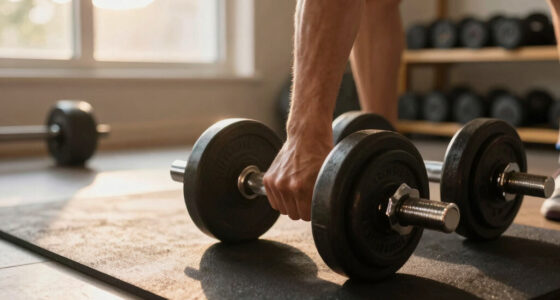
A good first workout tests your range of motion, grip, and weight changes with controlled repetitions. Start with a light setting, make sure the handle feels comfortable, and practice returning it to its tray or storage base. This gives you a chance to learn how the set balances and how its mechanism works before a heavier load makes those details harder to manage.
Try a simple sequence: choose a moderate weight for rows, return the dumbbells to the base, then select a lighter load for shoulder raises. Notice whether the handle or plates bump your forearm, and whether the changeover takes long enough to disrupt your pace. Those observations reveal whether the set’s shape and adjustment process suit the way you plan to train. For instance, if the dumbbell’s length gets in the way during a curl, you may prefer a different grip or movement variation.
- Read the instructions and check that the dumbbells and base are intact, so you know how this model is meant to operate.
- Practice selecting a light load and confirm the plates engage as directed before lifting.
- Try familiar movements with controlled form to find out whether the shape and range of motion feel comfortable.
- Store the set correctly and inspect it after your workout, keeping the mechanism ready for the next session.
As you build a routine, note the loads you use and increase them gradually when the movement stays controlled. Tracking those loads helps you see when a weight has become manageable and whether the next setting is a sensible step. A set with smaller increments may make that progression easier. If you have a pre-existing condition or questions about safe exercise for you, seek professional guidance before changing your training.
Frequently Asked Questions
How do adjustable dumbbells work?
You select a load using a dial, pin, or plate-locking collar, and the mechanism engages the matching weight sections. The exact steps differ by model, so read the instructions and confirm the plates are secure before lifting.
What weight range should I buy?
Choose a range that covers the exercises you do now and leaves room for gradual progress. Check the minimum, maximum per dumbbell, and increments; a high maximum won’t help if the starting load is too heavy for smaller movements.
Are adjustable dumbbells safe?
They can be used safely when you follow the manufacturer’s directions and confirm the plates and locks are engaged. Stop using a unit that feels loose or appears damaged, and ask a qualified health professional for guidance if you have a pre-existing condition that may affect exercise.
Can I drop adjustable dumbbells?
Only drop them if the manufacturer explicitly states that the model is designed for drops. Impact can damage plates, selectors, or locking parts, so controlled set-downs are the safer default.
Do adjustable dumbbells work for every exercise?
They suit many standard dumbbell movements, including rows, presses, and curls. A longer handle or bulky plate shape can make some positions less comfortable, so test movement clearance and grip if possible.
How much room do adjustable dumbbells need?
They take less room than a rack of fixed weights, but the pair and its tray or stand still need a stable storage spot. Leave enough clear floor to lift and return the dumbbells without hitting furniture or walls.
Conclusion
Choose adjustable dumbbells by matching their range, increments, shape, and mechanism to the workouts you’ll actually do. Check the per-dumbbell specification, make room for the tray, and follow the maker’s safety instructions each time you train.
The best set is the one that fits your corner of the room and keeps earning its place there. Give it a clear patch of floor, and it can turn a quiet corner into a steady invitation to move.