
TL;DR
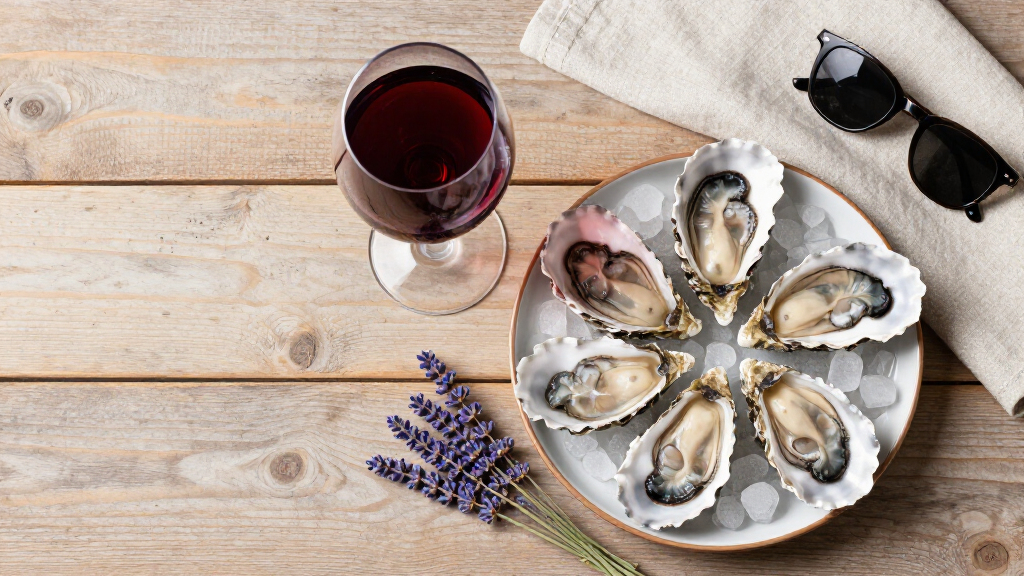
A French marathon has incorporated wine and oyster stops into its course, attracting attention for blending athleticism with local culinary traditions. The event’s details are still emerging, but it highlights a growing trend in race experiences.
A marathon in France has introduced a novel feature: runners are permitted to make pit stops for wine and oysters during the race. This development has garnered attention for its unusual combination of athletic competition and local culinary traditions. The event is drawing both curiosity and criticism, as it challenges conventional race norms and raises questions about safety and race organization.
According to reports, the French marathon now includes designated stations where participants can pause to enjoy local wine and oysters. The event, which took place recently in a region known for its gastronomy, is believed to be an experiment aimed at blending cultural experiences with athletic pursuits. Organizers have confirmed that these stops are optional and are intended to promote regional specialties, but they have not yet provided detailed safety protocols or official guidelines for these pit stops.
Sources indicate that the inclusion of wine and oysters is part of a broader trend of innovative race formats that seek to enhance participant engagement and tourism. The event’s organizers have emphasized that runners are free to skip these stops and that the primary focus remains on the marathon itself. However, the concept has sparked widespread discussion on social media and among race enthusiasts, with some praising the cultural integration and others raising concerns about safety and fairness.
Implications for Race Culture and Tourism
This development signals a shift in how marathon events are designed, potentially transforming traditional athletic competitions into cultural festivals. By integrating local gastronomy directly into the race experience, organizers aim to boost regional tourism and offer a unique attraction for participants. The concept could influence future race formats worldwide, encouraging a blending of sport and local culture. However, it also raises questions about safety, fairness, and the overall integrity of competitive racing, especially if such stops are not uniformly accessible or regulated.
Emerging Trend of Culinary Integration in Races
Over recent years, there has been a growing interest in making races more engaging and culturally rich. Some events now feature themed routes, local food stations, and entertainment to attract a broader audience. The idea of incorporating wine and oysters into a marathon appears to be a natural extension of this trend, especially in regions where gastronomy is a key part of local identity. While the concept remains experimental, it aligns with a broader movement towards experiential travel and leisure activities that combine sport with cultural immersion.
Prior to this event, some races have experimented with food and drink stations, but none have officially integrated alcohol and luxury foods as part of the race experience in such a formal manner. The French marathon’s approach is unique in its explicit promotion of wine and oysters as part of the race, which has prompted both curiosity and debate about the future of race organization.
Safety and Fairness Concerns Still Unresolved
Details remain unclear regarding the safety protocols for wine and oyster stops, including whether participants are monitored or restricted from consuming alcohol while running. It is also uncertain how the race organizers will handle issues of fairness, such as whether these stops could advantage certain runners or affect overall race times. The long-term viability and potential regulatory implications of this format are still being evaluated.
Monitoring and Potential Expansion of the Concept
Organizers are expected to review participant feedback and safety data before deciding whether to continue or expand this concept. Future races may incorporate similar cultural stops if safety and fairness are assured. Additionally, other regions might explore adopting similar formats, potentially leading to a broader trend of integrating local cuisine into athletic events. Official guidelines and safety measures are likely to be published in the coming months.
Key Questions
Are the wine and oyster stops mandatory for participants?
No, the stops are optional. Runners can choose to skip them and continue the race without interruption.
How do organizers ensure safety during these stops?
Details are still emerging, but organizers have emphasized that safety is a priority and that stops are designed to be controlled and optional. Specific protocols have not yet been fully disclosed.
Could this format become a standard for future marathons?
It is too early to say. The concept is experimental and under review, with potential for wider adoption if safety and fairness issues are addressed.
What impact does this have on the traditional perception of marathons?
This development challenges conventional views by blending athletic competition with cultural and gastronomic experiences, potentially reshaping future race concepts.
Is this trend unique to France?
Currently, it appears to be a localized experiment, but it could inspire similar initiatives in other regions interested in cultural integration.
Source: rss