TL;DR

Get workout gear delivered free with Prime
- Fast, free delivery on millions of items
- Prime Video, Amazon Music and more included
- Member-only deals all year
Trainer and clinic executive Amanda Lim shared a sample week combining strength training, cardio, walking, yoga and postpartum core rehabilitation. She advises judging health separately from the scale and suggests tracking measures such as lifting progress, while the report does not provide evidence that her schedule is right for everyone.
Trainer and liftCLINIC CEO Amanda Lim has shared a sample of her weekly exercise routine, combining strength training, cardio, walking and recovery, alongside advice to separate body weight from an assessment of health. The Fit&Well report presents the schedule as Lim’s personal practice, not as a prescribed program or a clinical guideline for readers.
Lim, 43, has worked as a trainer for more than 20 years and is the chief executive of liftCLINIC, a metabolic health center focused on longevity, according to Fit&Well. She described her approach as a balance of functional strength work, zone two cardio and walking, rather than a routine built around complex exercises or fitness trends.
Her example week includes a leg-focused strength session on Monday and an upper-body strength session Tuesday. Wednesday is for postpartum core rehabilitation, Thursday for walking as active recovery, and Friday combines high-intensity running intervals with yoga. Saturday is devoted to power-focused training, followed by a zone two run on Sunday. The schedule gives times for each session, but the report does not describe duration, intensity details or how Lim adjusts the plan from week to week.
Lim said she continues to include pelvic-floor, deep-core and postpartum rehabilitation work after having three children. Her youngest is two and a half, the report says. She also recommends beginning with manageable activity, including a short walk, learning new movement skills and treating setbacks with self-compassion.
Progress Beyond Body Weight
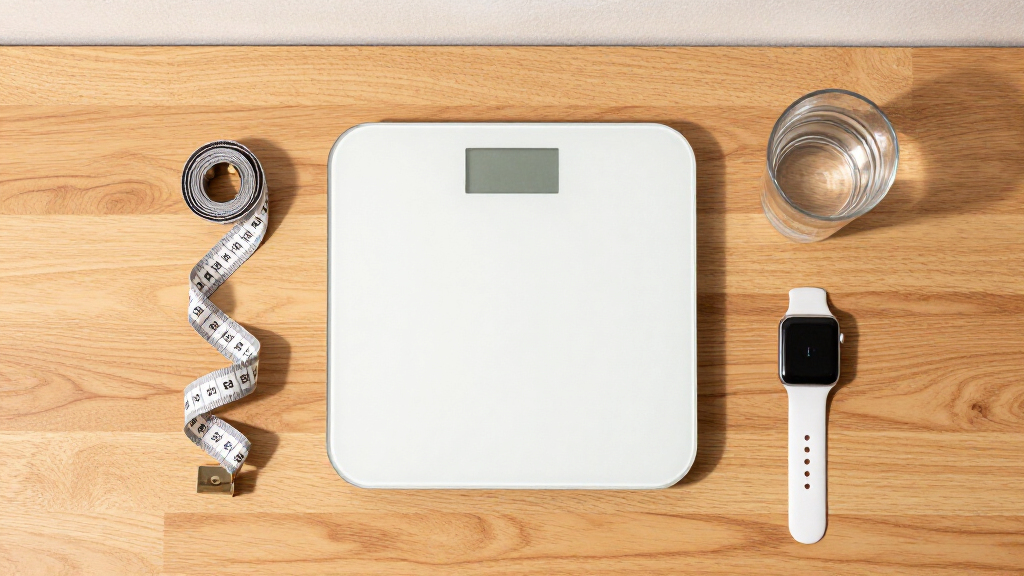
Lim’s central point is that body weight and health are not interchangeable measures. She says she tracks her own progress through the weights she can lift and measurements of muscle mass, rather than relying only on the scale. That is her personal approach; the report does not offer a clinical assessment of those measures or claim that they capture every aspect of health.
The routine also illustrates how one person combines different types of movement across a week, including planned recovery and rehabilitation. For readers trying to exercise consistently, Lim’s suggestions emphasize starting with an achievable habit and building from there. Her schedule should not be taken as a universal target: individual capacity, health history, pregnancy or postpartum needs, and access to professional advice can affect what is appropriate.
Products Worth Considering

Levoit Vital 100S-P Air Purifier

BowFlex Results Series SelectTech Adjustable Dumbbells (Pair)

Levoit Core 400S-P Smart Air Purifier for Large Rooms
As an affiliate, we earn on qualifying purchases.
A Routine Built Around Several Activities
The Fit&Well article frames Lim’s schedule as an example of exercise with longevity in mind. It mixes resistance work, aerobic activity and lower-intensity movement, with sessions spread across seven days. The supplied material does not report a study testing this specific routine, nor does it establish that the schedule produces particular health outcomes.
Lim’s advice extends beyond exercise selection. She encourages beginners to take advantage of early learning and strength gains, try skills such as a cartwheel or handstand progression, and use walking as an accessible starting point. She also describes self-compassion as an additional pillar alongside commonly cited lifestyle areas such as sleep, nutrition, physical activity, stress management, social connection and reducing exposure to harmful substances. These are Lim’s recommendations and framing, rather than new findings reported by the article.
“We have to separate the number on the scale—the weight of our bodies—from the assessment of our health, because those two things don’t typically track beautifully together.”
— Amanda Lim, as quoted by Fit&Well
Limits of the Example Schedule
The report does not establish whether Lim’s weekly plan has been evaluated in research or whether it would suit people with different fitness levels, medical conditions or recovery needs. It provides no detailed information about the duration of sessions, the exact training loads, or how the routine changes over time. Lim’s comments about postpartum concerns returning during perimenopause are presented as her perspective; the supplied material does not include supporting clinical evidence or further expert comment.
It is also unclear how Lim defines or measures muscle mass, and the article does not say that readers should replace medical assessment with workout metrics. People with health concerns or a history of injury may need individualized guidance before adopting a new exercise plan, particularly one that includes high-intensity intervals or postpartum rehabilitation.
How Readers Can Apply the Advice
The source describes no forthcoming study, program launch or follow-up announcement. For now, the development is a published example of Lim’s routine and her recommendations. Readers can treat the schedule as a personal case study, not a checklist: start at a level that feels manageable, build activity gradually and seek qualified guidance when health circumstances call for it.
Any further reporting would be needed to assess how the routine affects Lim over time or whether its elements can be generalized. The article itself leaves those questions open and does not claim that one set of exercises or progress measures fits everyone.
Key Questions
What does Amanda Lim’s weekly workout schedule include?
Her example week includes two strength-focused sessions early in the week, postpartum core rehabilitation, a recovery walk, running intervals, yoga, a power workout and a zone two run. The report does not provide full session durations or detailed training instructions.
Why does Lim say not to rely on the scale?
Lim says body weight and health do not necessarily track closely. She describes measuring her own progress by the weights she lifts and her muscle mass. These are her personal tracking choices, not a complete medical assessment for everyone.
What does Lim suggest for people new to exercise?
She recommends starting with walking and says even a five-minute walk can be a starting point. People should adjust activity to their abilities and seek professional guidance for health conditions, injuries or postpartum concerns.
Is Lim’s routine a proven plan for longevity?
The report presents it as Lim’s personal routine and does not cite research showing that this exact schedule extends longevity or is suitable for all readers.
Source: rss