
TL;DR

Get workout gear delivered free with Prime
- Fast, free delivery on millions of items
- Prime Video, Amazon Music and more included
- Member-only deals all year
The World Health Organization has seen a notable increase in its global media coverage, with mentions rising elevenfold compared to baseline levels. This development reflects heightened international attention on WHO activities.
The World Health Organization (WHO) has experienced a significant surge in its global media coverage, with mentions increasing elevenfold compared to typical levels, according to recent data from GDELT. This surge indicates heightened international attention on WHO’s health initiatives and responses.
Data from the GDELT Project shows that WHO was mentioned 11 times more often in the current reporting window than its baseline, marking a notable rise in media attention. The increase has been observed across multiple regions and media outlets, suggesting a broad international focus on WHO activities. The specific causes of this surge are not yet confirmed, but it coincides with ongoing global health discussions and recent WHO campaigns. Experts note that such media attention can influence public perception and policy responses related to global health issues. WHO officials have not issued a formal statement regarding this surge but acknowledge the importance of maintaining visibility during critical health periods. For more on health initiatives, see Sanford Health coverage.Implications of Increased Media Attention on Global Health
The surge in WHO’s media mentions underscores heightened international focus on its role in managing global health crises. Increased visibility can lead to greater public awareness, influence policy decisions, and potentially mobilize resources for health initiatives. However, it also raises questions about the drivers of this attention—whether it reflects genuine progress, emerging crises, or media-driven narratives. For global health stakeholders, sustained attention is crucial for effective response coordination, making this surge particularly relevant for ongoing and future health efforts worldwide.Products Worth Considering
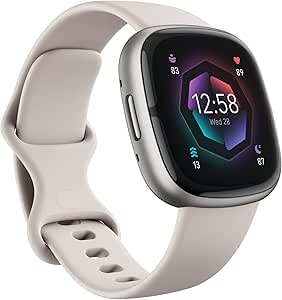
Fitbit Sense 2 Health and Fitness Smartwatch (Lunar White/Platinum)

Fitbit Sense Health & Fitness Smartwatch (White/Gold, International Version)

Garmin Forerunner 165 GPS Running Smartwatch, 43 mm, Black
As an affiliate, we earn on qualifying purchases.
Recent Trends in WHO Media Coverage and Global Health Discourse
Historically, WHO’s media presence fluctuates with global health events, such as pandemics or major health campaigns. The current surge follows a period of increased international focus on health security, vaccine distribution, and pandemic preparedness. GDELT’s data shows that media mentions of WHO have been relatively stable but have spiked sharply in the past week. This pattern aligns with recent global health discussions, including updates on COVID-19 variants, new vaccine initiatives, and international health policy debates. The increase in coverage may also be linked to WHO’s recent statements or actions, although specific triggers remain unconfirmed. Such media patterns are often used as indicators of international attention and policy interest.“We welcome increased engagement and remain committed to transparency and global health leadership.”
— WHO spokesperson
Factors Driving the Media Coverage Surge Remain Unclear
It is not yet confirmed what specific events or campaigns triggered the media surge. The reasons behind the elevenfold increase could include recent health initiatives, responses to emerging crises, or media interest unrelated to specific actions. Further analysis is needed to identify the precise causes and whether this trend will sustain or decline.Monitoring Media Trends and WHO Communications
Stakeholders will likely observe whether media mentions remain elevated in the coming weeks. WHO officials may issue statements clarifying the reasons for increased coverage or highlight upcoming initiatives. Media analysis and official communications will help determine if this surge signifies a strategic shift, response to specific events, or a temporary spike in attention. Continued monitoring of coverage patterns and WHO activity will be essential for understanding the broader implications.Key Questions
What does an elevenfold increase in media mentions mean for WHO?
An elevenfold increase indicates a significant rise in international media attention, which can enhance WHO’s visibility and influence in global health discussions.
Are there any specific events causing this surge?
Currently, it is not confirmed what specific events or campaigns triggered the media surge. Further analysis is needed to identify the exact causes.
Could this increase impact global health policies?
Potentially, increased media attention can influence public perception and policymaker priorities, but the direct impact depends on ongoing WHO activities and external factors.
Is this surge likely to continue?
It remains uncertain whether media mentions will stay elevated. Monitoring in the coming weeks will provide clearer insights into the trend’s sustainability.
How does media coverage affect WHO’s work?
Greater media visibility can support WHO’s efforts by raising awareness and encouraging resource mobilization, but it does not directly change operational outcomes.
Source: gdelt