TL;DR

Get workout gear delivered free with Prime
- Fast, free delivery on millions of items
- Prime Video, Amazon Music and more included
- Member-only deals all year
Certified personal trainer Francesco Zen told Fit&Well that shifting weight toward the outer edges of the feet and pressing the knees outward helped him engage his glutes during overhead squats. He recommends building up with bodyweight and a dowel or pipe before trying the advanced movement with a barbell.
Certified personal trainer Francesco Zen says shifting his weight toward the outer edges of his feet and pressing his knees outward helped him better engage his glutes in the overhead squat, an advanced movement that requires holding a bar or training stick overhead while squatting. In a report for Fit&Well, Zen said the cue changed how he performed the movement, while advising beginners to learn the position with a light stick or pipe before attempting a loaded barbell.
Zen, founder of ZLIFE, described the overhead squat as a full-body exercise that calls for mobility, core activation and flexibility. He said stability and muscle engagement are central to performing it, with the glutes supporting the movement from its top position through the descent and return to standing. The foot and knee cue is his practical tip, rather than a claim that one adjustment alone can give every person sound technique.
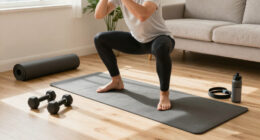
In the Fit&Well report, Zen recommends developing the movement in stages. Beginners can first squat with their arms raised, then use a gym dowel, plastic pipe or broom to practise keeping the implement aligned overhead. The report also suggests mobility work for the ankles, hips, spine and shoulders, including wall-based squat variations, before progressing to an unsupported version.
Zen proposes a Frankenstein squat as another preparatory option. In that variation, the arms extend forward at shoulder height, or a bar rests across the front of the shoulders. He said this position is easier to stabilize than holding a bar overhead while still training similar core, glute and mobility foundations. For the full overhead squat, the report advises using an exercise professional or spotter if possible.
Building Toward an Overhead Squat
The advice matters to readers because the overhead squat combines several demands at once: lower-body strength, balance, shoulder and spinal positioning, and control of a load above the body. Zen’s suggested cue gives trainees a concrete adjustment to practise, but it does not replace the gradual preparation the movement requires. A person who cannot maintain a stable overhead position with a dowel may need to work on the supporting positions before adding weight.
The staged approach also offers a way to practise squat mechanics without making a barbell overhead the immediate goal. Bodyweight versions and a light stick can let people focus on keeping the trunk upright, the knees tracking over the feet and the implement steady. The report presents these as training steps, not as a promise that the exercise will suit every person or produce a particular result.
Products Worth Considering

Fitbit Versa Smart Watch – Black Aluminum, One Size (S & L Bands Included)

Blueair Blue Pure 511i Max Smart Air Purifier

Oura Ring 5 Smart Ring, Gold, Size 8
As an affiliate, we earn on qualifying purchases.
Zen’s Progression for the Lift
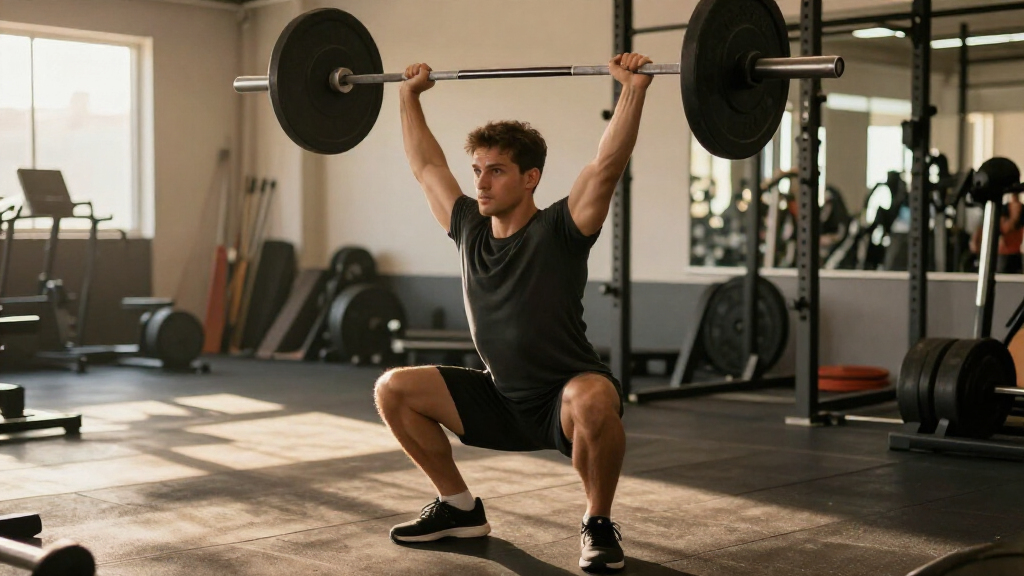
The overhead squat is performed with a bar or other implement held overhead as the lifter bends the knees and hips, then stands again. In the version described by Fit&Well, the lifter begins with the implement in front of the thighs, raises it above the shoulders with the elbows locked, braces the core and lowers while keeping the spine upright and knees tracking over the feet.
Zen’s recommendation is tied to his own experience: he told Fit&Well that the glute-engagement cue helped him improve his form. The report places that tip within a broader progression, starting with bodyweight practice and a dowel or pipe, and moving to a barbell only after the learner can control the position. It also describes the Frankenstein squat as a less demanding way to work on related stability.
“The glutes support the whole movement, top to bottom.”
— Francesco Zen, speaking to Fit&Well
Limits of the Personal Cue
The report describes Zen’s personal technique cue and training recommendations; it does not provide research comparing the cue with other coaching methods or establish that the same adjustment will work for everyone. It also does not give a specific timeline for progressing from bodyweight practice to a barbell, or criteria for determining when a trainee is ready to add load.
Readers’ mobility, training history and ability to control the overhead position can differ. The source recommends professional help or a spotter for the advanced movement, but it does not provide individualized coaching or assess whether a reader can perform it safely.
Practice Before Adding Load
Zen’s approach, as reported by Fit&Well, is to practise the movement progressively: begin with bodyweight and raised arms, use a dowel or pipe to rehearse alignment, and try a Frankenstein squat before working toward the full overhead position. Trainees who advance to the barbell are advised to keep the implement steady, brace the core and maintain control through the descent and ascent.
The source does not announce a follow-up study or a new training program. Its practical next step for readers interested in the lift is to practise the preparatory variations and seek help from a qualified exercise professional where available, rather than treating the cue as a substitute for instruction.
Key Questions
What squat cue did Francesco Zen say helped his overhead squat?
Zen told Fit&Well to shift weight toward the outer parts of the feet and press the knees outward while lowering. He said the adjustment helped him engage his glutes.
Should beginners start overhead squats with a barbell?
The Fit&Well report recommends first practising with bodyweight and an exercise stick, pipe or dowel. It describes the overhead squat as advanced and says a barbell should come later, once the movement can be controlled.
What is a Frankenstein squat?
It is a squat variation with the arms held forward at shoulder height or a bar balanced across the front of the shoulders. Zen said the position is easier to stabilize than holding a bar overhead while practising related movement foundations.
What should someone work on before trying an overhead squat?
The report points to mobility in the ankles, hips, spine and shoulders, as well as core and squat control. It suggests bodyweight practice, wall-based variations and a dowel or pipe; it also recommends working with an exercise professional or spotter for the advanced version.
Source: rss