
TL;DR

Get workout gear delivered free with Prime
- Fast, free delivery on millions of items
- Prime Video, Amazon Music and more included
- Member-only deals all year
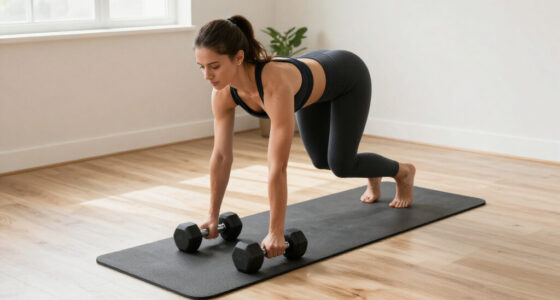
Fit&Well published a four-exercise weights routine from Pilates instructor Victoria Repa, combining basic resistance exercises with Pilates-style attention to breathing, posture and control. The routine uses squats, lunges, a weighted bridge and side-lying leg lifts; Repa recommends starting with one round and choosing a weight that leaves two or three controlled repetitions in reserve.
Fit&Well has published a four-exercise, Pilates-inspired weights workout from instructor Victoria Repa, combining squats, lunges, a bridge and side-lying leg lifts with guidance on controlled movement and breathing. The routine is intended for beginners and gives readers a way to add resistance while keeping the focus on posture, alignment and steady execution.
Repa, identified by Fit&Well as a Pilates instructor and founder of the BetterMe workout app, says adding weights can offer an approachable challenge for people who already enjoy Pilates. She describes the exercises as low-impact and says the added resistance asks muscles to work harder while the movements retain attention to breathing, alignment and control. Those are her explanations of the workout’s intended approach, not results established by a study in the report.
The routine has four moves: a weighted squat for 8–12 repetitions; a standing lunge with light dumbbells for 6–8 repetitions on each side; a weighted Pilates bridge for 10–12 repetitions; and a side-lying leg lift with an ankle weight for 8–10 repetitions on each side. The prescribed rest is 45–60 seconds between moves. The report says to complete one round at first and try two rounds once the exercises feel more familiar.
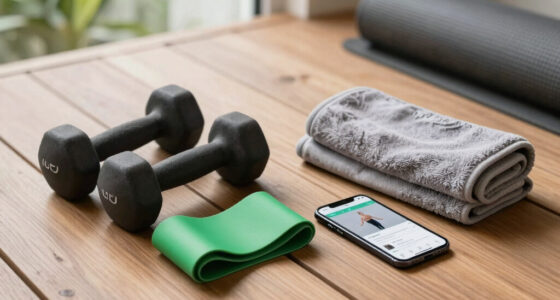
For load selection, Repa advises choosing resistance that would still allow two or three more controlled repetitions. The instructions emphasize keeping the feet grounded during squats, aligning the knees with the toes, and moving slowly through the bridge and leg lift. For the bridge, the report calls for placing a dumbbell across the front of the hips with a folded towel underneath and holding it securely. For the side-lying lift, it says to use a light ankle weight, keep the hips vertical and raise the leg only a short distance.
Adding Resistance Without Losing Control
The report offers a practical format for readers who want to combine strength exercises with Pilates-style movement cues. Its main distinction is not a new exercise method but the way familiar resistance moves are presented: with deliberate pacing, attention to alignment and breathing, and a recommendation to start with a single round.
That format may help readers understand how to scale a short routine rather than jumping straight into a demanding session. Fit&Well says weight training can support muscle development and bone health, while Pilates encourages posture, mobility and alignment. Those are broad fitness claims in the source report; it does not provide research findings or evidence that this particular four-move routine produces specific outcomes. Individual results will depend on factors such as technique, load, consistency and a person’s health and training history.
The workout also makes the role of resistance clear: the weights add effort, but the report’s instructions prioritize control over lifting as much as possible. Readers should stop if an exercise causes pain and use a lighter weight or modify a movement if they cannot maintain stable form. People with existing injuries, medical conditions or concerns about exercise should seek advice from a qualified health professional before starting.
Products Worth Considering

BowFlex Results Series SelectTech Adjustable Dumbbells (Pair)

Bowflex SelectTech 840 Adjustable Kettlebell

Philips Sonicare 5950 Rechargeable Electric Toothbrush with 2 Brush Heads, Pink
As an affiliate, we earn on qualifying purchases.
Pilates Principles Meet Basic Weights
Fit&Well’s report contrasts the 34 mat movements associated with the original form of Pilates with contemporary approaches that incorporate weights or other movements. It presents the workout as Pilates-inspired rather than as a traditional Pilates sequence: the exercises are recognizable strength-training movements, performed with cues drawn from Pilates, including controlled breathing and attention to alignment.
Repa’s stated rationale is to develop strength alongside movement control. The four exercises focus on the lower body and hips, using dumbbells for the squat, lunge and bridge and an ankle weight for the side-lying lift. The source does not describe the routine as a complete training plan or provide a schedule for how often to repeat it. It also does not report independent testing of the workout or measured changes in strength, posture or bone health.
“If you enjoy Pilates and feel ready for a little more of a challenge, adding weights can be an approachable next step.”
— Victoria Repa, Pilates instructor and BetterMe founder, as quoted by Fit&Well
Evidence and Individual Suitability
The source does not provide a publication date, exercise-trial results or evidence that this particular sequence improves alignment, builds strength or affects bone health. It presents the workout as guidance from Repa, not as a clinically tested program. The phrase “Pilates-inspired” also signals that the routine adapts Pilates principles to conventional resistance exercises rather than reproducing a defined classical sequence.
Readers’ appropriate weights, range of motion and number of rounds will vary. The report does not give modifications for injuries, pregnancy or specific medical conditions, nor does it explain how to progress beyond two rounds. Anyone unsure whether the exercises are suitable should consult a qualified professional, and exercises should be adjusted or stopped if they cause pain or prevent controlled movement.
Start With One Controlled Round
The next step in the report’s plan is to try one round of the four exercises, resting 45–60 seconds between moves and using resistance that leaves two or three controlled repetitions in reserve. Repa’s guidance is to consider two rounds only after becoming more confident with the routine. Fit&Well does not give a date for a follow-up report or specify a weekly schedule, so readers should not treat the four moves as a complete or individualized fitness plan.
Key Questions
What exercises are in the routine?
It includes a weighted squat, a standing lunge with light dumbbells, a weighted Pilates bridge and a side-lying leg lift with an ankle weight. The report provides repetition ranges for each move and calls for both sides on the lunge and leg lift.
How many rounds should a beginner do?
Repa recommends starting with one round. The report says to try two rounds once the routine feels more familiar; it does not specify how many days per week to do it.
How heavy should the weights be?
Repa advises choosing resistance that would allow for two or three additional controlled repetitions. If the weight disrupts balance, alignment or smooth movement, use a lighter load or stop the exercise.
Is this a traditional Pilates workout?
The report calls it Pilates-inspired. It combines conventional resistance exercises with Pilates-associated cues such as controlled breathing, posture and alignment; it does not describe the sequence as a traditional Pilates routine.
Who should get professional advice before trying it?
People with an injury, an existing health condition or uncertainty about safe exercise should seek guidance from a qualified health professional. Stop or modify a movement if it causes pain or makes controlled form difficult.
Source: fitandwell.com