
TL;DR
Seoul city officials have identified 25 hospitals that reportedly disposed of residual liposuction fat and blood into washbasins. The discovery raises health safety questions and prompts regulatory scrutiny. Details about the scope and impact are still emerging.
Seoul city officials have identified 25 hospitals suspected of improperly disposing of residual liposuction fat and blood into washbasins, according to local reports. The discovery has sparked concern over health safety and medical waste management practices, with investigations underway to determine the full extent of the issue.
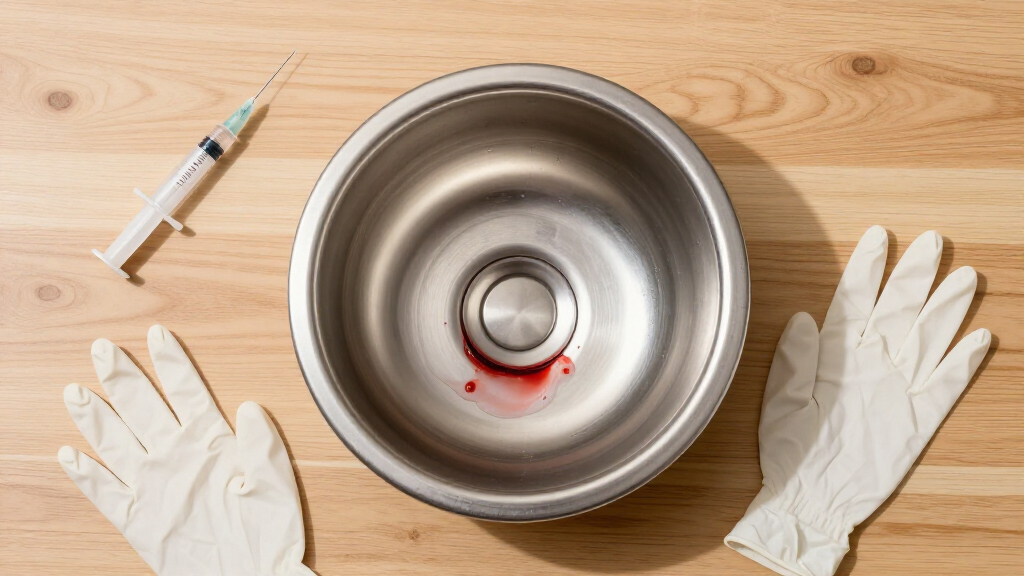
The Seoul Metropolitan Government announced that it uncovered evidence of hospitals dumping remains of liposuction procedures directly into washbasins, a practice deemed unsafe and against waste disposal regulations. The investigation was prompted by reports and inspections carried out over recent weeks, revealing that the waste was disposed of in a manner that could pose health risks, including potential contamination of water systems and exposure to medical personnel.
Officials confirmed that the 25 hospitals identified are located across different districts of Seoul. The authorities are now examining whether this practice was widespread or limited to these facilities, and are reviewing the hospitals’ waste management protocols. No specific penalties have been announced yet, but the incident has prompted calls for stricter oversight and compliance checks within the medical sector.
Health authorities have emphasized that improper disposal of biological waste, such as blood and fatty tissue, can carry risks including infection transmission and environmental contamination. The hospitals involved are expected to cooperate fully with ongoing investigations, and corrective measures are likely to be mandated if violations are confirmed.
Implications for Medical Waste Safety in Seoul
This discovery highlights potential gaps in medical waste management among healthcare providers in Seoul, raising concerns about public health risks and environmental safety. Improper disposal of biological waste can lead to contamination of water supplies and pose infection risks to staff and patients. The incident underscores the need for stricter regulatory oversight and improved waste handling protocols across medical facilities to prevent similar occurrences in the future.
Background on Medical Waste Disposal Regulations
Proper disposal of medical waste, especially biological materials like blood and tissue, is regulated by health authorities to prevent environmental contamination and health hazards. Hospitals are required to follow strict protocols for waste segregation, treatment, and disposal, often involving specialized containers and incineration. Incidents of improper waste disposal have periodically surfaced in South Korea, prompting regulatory crackdowns. The current investigation into Seoul hospitals appears to be part of a broader effort to tighten oversight amid growing public concern about healthcare safety standards.
Past cases have involved illegal dumping of medical waste into the environment or into non-approved disposal sites, but direct disposal into washbasins is considered particularly unsafe and non-compliant. The recent reports have revived scrutiny of hospital waste practices nationwide, although confirmed widespread violations have not yet been established.
Extent and Widespread Nature of the Practice
It is not yet clear whether the practice of dumping liposuction waste into washbasins is isolated to the 25 hospitals identified or if it reflects a broader pattern among Seoul’s healthcare facilities. Authorities are still assessing the full scope, and investigations are ongoing to determine how many facilities may be involved and whether systemic issues exist in waste management practices across the sector.
Next Steps in the Investigation and Regulatory Response
The Seoul authorities are expected to conduct comprehensive inspections of additional hospitals and healthcare providers to assess waste disposal practices. Penalties and corrective actions will likely follow if violations are confirmed. The government may also introduce or tighten regulations to prevent recurrence, including mandatory training for medical staff and stricter monitoring of waste handling procedures. Public communication and transparency about the findings are anticipated as investigations progress.
Key Questions
What specific risks does disposing of liposuction waste into washbasins pose?
Disposing of biological waste like blood and fat into washbasins can lead to contamination of water systems, potential infection transmission, and environmental hazards if not properly managed.
Are all hospitals in Seoul involved in this practice?
It is currently unclear whether the practice is widespread or limited to the 25 hospitals identified. Investigations are ongoing to determine the full scope.
Authorities are conducting inspections, and if violations are confirmed, hospitals may face penalties, fines, or mandated corrective measures to improve waste disposal practices.
Could this practice have caused health or environmental damage?
Potentially, yes. Improper biological waste disposal can lead to contamination and health risks, but the extent of any actual damage is still under investigation.
Will regulations be changed as a result of this incident?
It is possible that stricter waste management regulations or oversight measures will be introduced to prevent similar incidents in the future.
Source: local