
TL;DR
Flu cases in Seoul have surged to three times the normal level, prompting authorities to start free vaccination programs on the 21st. The development underscores increased health risks this season.
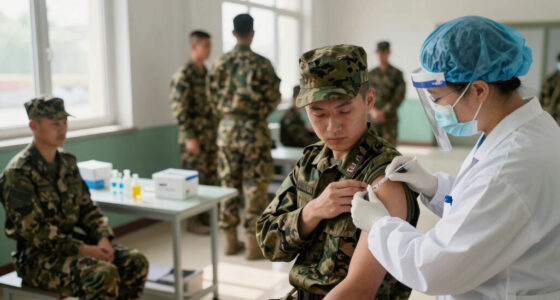
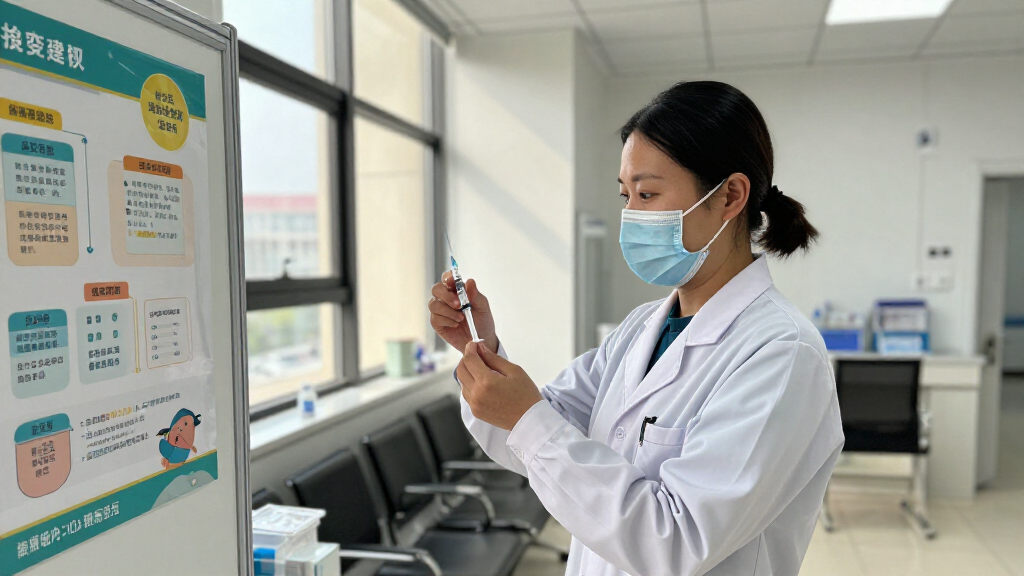
Seoul will begin offering free influenza vaccinations to residents starting on the 21st of March, after health authorities confirmed that flu cases have tripled compared to typical seasonal levels, raising public health concerns amid ongoing influenza activity.
According to official sources, the number of reported flu cases in Seoul has surged to approximately three times the usual seasonal average, prompting urgent public health measures. The Seoul Metropolitan Government announced that free vaccinations will be available from March 21st at designated clinics across the city, aiming to curb the spread of influenza during this peak period.
Health officials have emphasized that the increase in cases is significant but have not yet linked it to any specific strain or outbreak. The vaccination campaign will target vulnerable populations, including children, the elderly, and those with pre-existing health conditions, to reduce severe cases and hospitalizations.
Local health authorities are also advising residents to continue practicing hygiene measures such as handwashing, mask-wearing, and avoiding crowded places to prevent further transmission.
Public Health Impact of the Rising Flu Cases
The surge in flu cases to triple the normal level underscores a heightened risk of widespread illness in Seoul, which could strain healthcare resources and increase hospital admissions. The initiation of free vaccinations represents a proactive response to mitigate this impact, especially among high-risk groups. This development highlights the importance of vaccination campaigns during seasonal peaks and the need for continued public health vigilance.
Recent Trends and Seasonal Flu Patterns in Seoul
Influenza activity in Seoul typically peaks during late winter and early spring, with case numbers generally remaining within predictable ranges. However, recent reports indicate an unusual spike in cases this year, with health authorities noting a tripling of infections compared to previous seasons. The reasons for this increase are not yet fully understood, but factors such as virus mutation, vaccine coverage, and public behavior are under investigation.
Historically, Seoul has conducted annual flu vaccination campaigns, primarily targeting vulnerable populations, but this year’s surge has prompted an acceleration of efforts and expanded access. The timing of the vaccine rollout is aligned with the peak of influenza activity, which usually occurs between March and April.
Unconfirmed Factors Behind the Case Surge
It is not yet clear what specific factors have contributed to the tripling of flu cases in Seoul. Authorities have not confirmed whether a new virus strain is responsible or if other factors such as vaccine effectiveness or changes in public behavior are involved. Investigations are ongoing, and further data is expected in the coming weeks.
Next Steps in Seoul’s Flu Response Strategy
Following the start of free vaccinations on March 21st, health officials plan to monitor flu case trends closely. They will evaluate the effectiveness of the vaccination campaign and may adjust strategies accordingly. Public health messaging will continue to emphasize hygiene and preventive measures, and additional vaccination clinics may be opened if cases remain high.
Key Questions
Who is eligible for the free flu vaccination in Seoul?
The free vaccination program is primarily targeted at vulnerable groups, including children, seniors, and individuals with pre-existing health conditions. Details on eligibility criteria and locations will be available through local health authorities.
Are there any specific strains of flu involved in this surge?
It is currently unclear whether a particular flu strain is responsible for the spike in cases. Authorities are conducting genetic analyses to identify circulating strains.
Should residents still take other precautions besides vaccination?
Yes, health officials recommend continuing practices such as handwashing, mask-wearing, and avoiding crowded places to reduce transmission risk.
Will there be additional vaccination clinics if cases stay high?
Yes, authorities may expand vaccination services and extend outreach depending on the evolving situation and case numbers.
When will health officials release more detailed information about the outbreak?
Further updates are expected in the coming days as investigations into the cause of the surge progress.
Source: local