TL;DR

Get workout gear delivered free with Prime
- Fast, free delivery on millions of items
- Prime Video, Amazon Music and more included
- Member-only deals all year
Hawaii plans to begin a phased Medicaid Food Is Medicine program in January, starting with nutrition education and fresh food boxes for eligible patients. The initiative could reach more than 100,000 residents who qualify for Medicaid, but the timeline, eligibility rules and local-food sourcing goals remain subject to development.
Hawaii plans to start a phased Medicaid Food Is Medicine program as soon as January, offering eligible patients nutrition education and fresh food boxes to address diet-related health issues. The federally funded initiative could reach more than 100,000 Medicaid residents, though the program’s final details are still being developed.
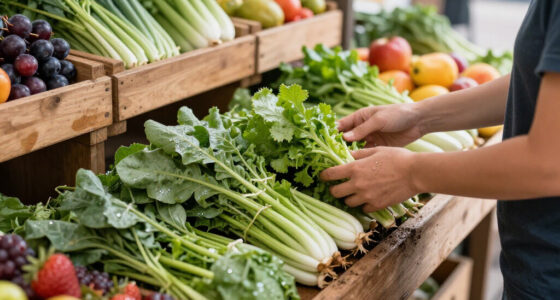
The first phase is expected to include nutrition education and food boxes for eligible patients. The food may include fresh fruits and vegetables as well as protein such as ahi, beef, chicken and eggs. The program will operate under a Medicaid waiver authorized by Section 1115 of the Social Security Act, which allows states to test innovative health programs.
Hawaii’s initiative is being developed in three phases. The source report does not specify the schedule or services for the later phases. It also says the state’s health and advocacy partners hope to source at least 15% of produce and protein locally. That figure is an aspiration rather than a binding requirement, according to Jordan Smith, Food Is Medicine program manager at the Hawaii Good Food Alliance, one of the initiative’s lead agencies.
The new statewide program follows pilot efforts that have provided food to some participants. Big Island residents Moses and Suzette Paio took part in a five-month pilot that delivered weekly produce and protein boxes through The Food Basket, Hawaii’s food bank. The report says Suzette Paio’s average blood sugar halved and Moses Paio lost more than 70 pounds during the period described. Those individual outcomes do not establish what the wider Medicaid program will achieve.
Food Support Could Reach Medicaid Patients
The proposal links access to food with health care for people who may struggle to afford nutritious groceries. The Hawaii Food Bank’s 2025 State of Food Security Report, as cited by MedPage Today, says one-third of state households have insufficient access to adequate, nutritious and affordable food. The report also describes substantial food insecurity among Native Hawaiians and Pacific Islanders and notes that Puna, where the Paios live, is considered a food desert.
Supporters say the program could also benefit Hawaii’s agricultural economy if more of the food is grown or caught locally. The source report cites advocates’ estimates that local purchasing could bring millions of dollars into the economy and create nearly 1,000 jobs. Those are projected benefits, not confirmed results, and depend on how the program is implemented and how much food can be sourced in the islands.
For patients, the program’s practical effect will depend on who qualifies, how food is delivered and whether the supplied foods fit patients’ needs and circumstances. For farmers and food providers, the local sourcing aspiration could create new demand, but the state has not made that target binding according to the source report.
Products Worth Considering

BowFlex Results Series SelectTech Dumbbells

Levoit Vital 100 Air Purifier for Home Bedroom

Therabody Theragun Mini 3rd Generation Massage Gun, Black
As an affiliate, we earn on qualifying purchases.
Waiver Builds on Local Pilot Efforts
The initiative has been in development for years and is part of a broader effort by Hawaii health providers and advocates to address food access and diet-related illness. At least a dozen other states are pursuing nutrition programs through Medicaid waivers, according to the report. Hawaii’s plan stands out in its stated ambition to connect health-care spending with local food producers, though the local sourcing target remains voluntary.
Some food-focused health services already operate in West Oahu outside the statewide Medicaid initiative. Alicia Higa, chief health equity officer at Waiʻanae Coast Comprehensive Health Center and chief executive of ʻElepaio Social Services, said such services have been running there since 2017. She told MedPage Today that positive results helped sustain those efforts.
The Paios’ pilot experience offers an example of how food boxes and education may work together: they received locally caught and harvested protein, greens and fruit, and also took part in other education programs. The report says they began gardening, preserving food and becoming more active. Their experience is informative, but broader evaluation is still underway.
“Local bananas and papayas, they’re my candy.”
— Suzette Paio
Eligibility and Rollout Details Pending
The report does not give the final eligibility rules, the number of patients expected to receive food in the first phase, or details on how clinicians will prescribe and arrange the boxes. Although the program could serve more than 100,000 Medicaid residents, that figure refers to people who may qualify, not a confirmed enrollment total.
The report says the launch could begin as soon as January but does not identify the year or provide a firm start date. The schedule and contents of the second and third phases are also not specified. The local sourcing goal is voluntary, and it is not clear how much food will ultimately come from Hawaii producers or how consistently boxes will be available across the islands.
Evidence of health effects is still developing. The reported changes for the Paios are individual pilot outcomes, not findings from a statewide evaluation. The University of Hawaii is conducting a five-year study examining the program’s influence on hypertension at health-care centers across the islands; results are not yet available in the source report.
January Phase and Long-Term Study
The next expected step is the first phase, planned for January, with nutrition education and food boxes for eligible patients. The state and participating health and food organizations will need to put the eligibility, referral, delivery and sourcing arrangements into operation. The source report does not give a more specific launch date or a timetable for later phases.
Researchers and advocates are also expected to gather more evidence as the initiative develops. The University of Hawaii’s five-year study will examine effects on hypertension at participating health-care centers. Its findings may help clarify whether the approach is associated with health changes beyond the pilot experiences reported so far.
Key Questions
What is Hawaii’s Food Is Medicine program?
It is a planned Medicaid initiative that will start with nutrition education and food boxes for eligible patients. Boxes may include produce and proteins such as fish, meat and eggs.
When is the program expected to begin?
The first phase is planned for as soon as January. The source report does not specify the year or a confirmed launch date.
Who may receive food boxes?
The program is aimed at eligible Medicaid patients. The report says it could reach more than 100,000 residents who qualify for Medicaid, but final eligibility criteria and enrollment numbers were not provided.
Will the food come from Hawaii producers?
Program partners have set an aspiration for at least 15% of produce and protein to come from local sources. According to a program lead cited in the report, this is not a binding requirement.
Are health benefits from the program established?
No statewide results are reported. The source describes health changes for two pilot participants, while a five-year University of Hawaii study on hypertension is ongoing.
Source: medpagetoday.com