

TL;DR

Get workout gear delivered free with Prime
- Fast, free delivery on millions of items
- Prime Video, Amazon Music and more included
- Member-only deals all year
The Precision Health Research Program has seen a surge in global media mentions, indicating rising international attention. This development highlights increased interest in personalized healthcare research.
The Precision Health Research Program is experiencing a significant surge in global media coverage, with recent data indicating an eightfold increase in mentions over a recent time window. This rapid expansion of attention reflects growing international interest in personalized healthcare research and its potential to transform medical practice.
According to the GDELT Project, which monitors global media coverage, the program has been mentioned eight times more frequently in recent weeks compared to its baseline. This surge is observed across multiple regions and media outlets, suggesting widespread recognition of the program’s importance. The initiative focuses on tailoring medical treatments and preventive strategies based on individual genetic, environmental, and lifestyle factors, aiming to improve health outcomes. Experts believe this increased coverage indicates a broader acceptance and enthusiasm for precision medicine approaches worldwide. However, specific details about the causes of this surge or the exact scope of coverage remain unclear at this stage.Officials involved in the program have not issued public statements about the media increase, and it is not yet confirmed whether this surge is driven by recent breakthroughs, policy announcements, or media campaigns. The phenomenon coincides with broader trends toward personalized healthcare and advances in genomic research, which are gaining support from governments, academia, and industry globally.
Implications of Growing Global Attention for Precision Medicine
This surge in media coverage underscores the increasing global recognition of precision health as a transformative approach to healthcare. It suggests that policymakers, researchers, and industry stakeholders are paying closer attention to innovations in personalized medicine, which could accelerate funding, collaboration, and implementation efforts worldwide. The rising interest may also influence public perception and acceptance of precision health strategies, potentially leading to broader adoption and integration into healthcare systems. Nonetheless, the actual impact on policy and practice remains to be seen, and the level of substantive engagement behind the increased coverage is still unclear.
Products Worth Considering

Fitbit Charge 6 Fitness Tracker – Porcelain/Silver
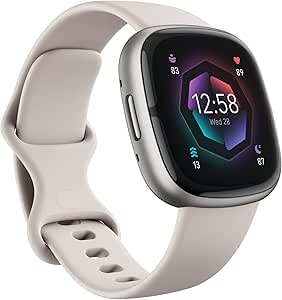
Fitbit Sense 2 Health and Fitness Smartwatch (Lunar White/Platinum)

Fitbit Sense Health & Fitness Smartwatch (White/Gold, International Version)
As an affiliate, we earn on qualifying purchases.
Background and Recent Trends in Precision Health
The Precision Health Research Program was established several years ago to advance personalized medicine through genomic and environmental data analysis. Its growth has paralleled technological advances in sequencing and data analytics, which have made individualized treatment approaches more feasible. Historically, media coverage of the program has been modest, but recent months have seen a marked increase in mentions, especially in international outlets. This trend aligns with a broader shift toward precision medicine, supported by recent policy initiatives in several countries and increased private sector investment. The current surge in coverage may also reflect recent scientific breakthroughs or new funding announcements, although specific events triggering the spike are not yet confirmed.
“The rapid increase in media mentions signals a global shift toward embracing personalized healthcare, which could have profound impacts on future treatment paradigms.”
— Dr. Lisa Chen, Director of Global Health Initiatives
Unclear Drivers Behind the Media Coverage Surge
It is not yet confirmed what specific factors are driving the recent surge in coverage. Possible causes include recent scientific breakthroughs, new funding initiatives, or targeted media campaigns. The precise reasons for the spike remain under investigation, and it is unclear whether this coverage reflects substantive developments or is driven by media interest without immediate scientific or policy changes.
Monitoring Future Media Trends and Program Developments
Researchers and industry observers will continue to monitor media coverage and official announcements related to the Precision Health Research Program. Further updates are expected as more information becomes available about the causes of the recent surge and its potential impact on policy, funding, and research collaborations. Stakeholders will also look for tangible developments, such as new research breakthroughs, funding commitments, or policy shifts, that could substantiate the current media interest.
Key Questions
What is the Precision Health Research Program?
The program is an initiative focused on advancing personalized medicine by integrating genetic, environmental, and lifestyle data to tailor medical treatments and preventive strategies.
Why has media coverage increased recently?
It is not yet confirmed what specific events or developments caused the surge, but it may be related to recent scientific breakthroughs, increased funding, or media campaigns promoting personalized medicine.
Does increased media coverage mean the program is expanding?
While the coverage indicates growing interest, it does not necessarily confirm immediate expansion or policy changes. Further developments are needed to assess the program’s progress.
Which regions are most involved in this coverage surge?
The surge is observed across multiple regions, including North America, Europe, and parts of Asia, suggesting broad international interest.
What are the next steps for the program?
Monitoring official announcements, scientific publications, and funding initiatives will help clarify the program’s trajectory and the significance of the media surge.
Source: gdelt