
TL;DR
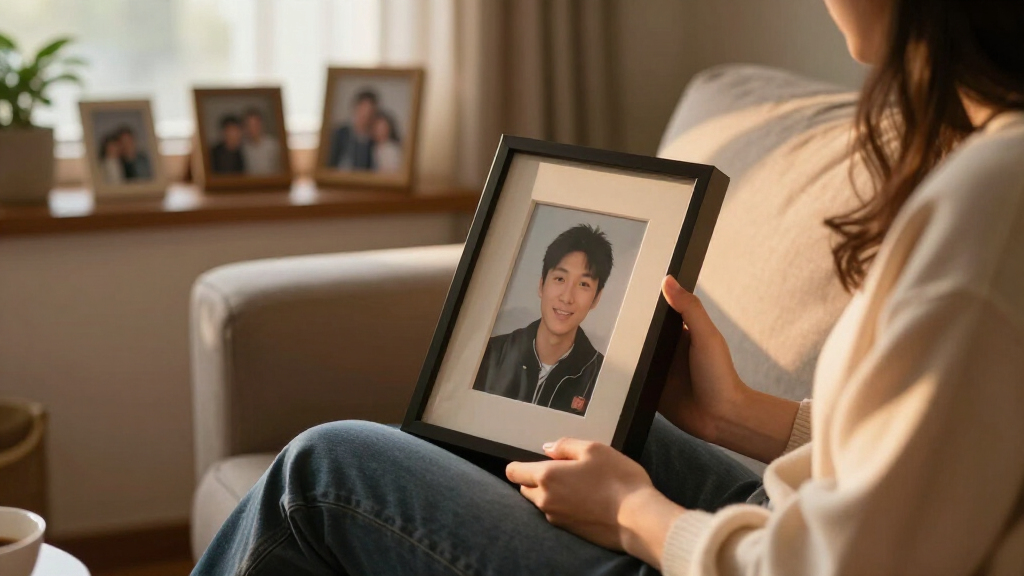
A recent psychological study confirms that emotional bonds and memories help individuals keep loved ones alive internally after their passing. This development sheds light on grief processes and personal resilience.
A recent study published in the Journal of Psychology confirms that loved ones continue to ‘live on’ in us through memories, emotional bonds, and personal reflections. This research highlights the psychological mechanisms that help individuals cope with loss and maintain a sense of connection, making it a significant contribution to understanding grief and resilience. Can ‘Chalant’ Dating Help More People Find Love? Ask Taylor and Travis.
The study, conducted by a team of psychologists at the University of California, analyzed responses from over 2,000 participants who had experienced the loss of a loved one within the past five years. Researchers found that individuals often report feeling the presence of loved ones in their daily lives, especially during moments of reflection or decision-making. Scientists Tracked 12 People In Antarctica For 10 Months—what Happened Could Shape Future Mars Missions The findings suggest that memories and emotional bonds serve as internal continuations of those who have passed, helping people process grief and foster ongoing personal growth. Can AI Finish the Job? Lessons from a Live Business Experiment for Fitness Pros According to lead researcher Dr. Laura Simmons, ‘Our data shows that the psychological imprint of loved ones persists through memories and emotional resonance, which can provide comfort and a sense of ongoing connection.’ The study emphasizes that this internal continuation is a natural part of grief processing and can contribute to resilience, even long after loss.Understanding the Psychological Impact of Internal Continuations
This research offers valuable insights into how individuals cope with loss by maintaining internal connections with loved ones. Recognizing that memories and emotional bonds serve as ongoing influences can help mental health professionals develop better support strategies for grief. For the general public, understanding that loved ones continue to live within us through these internal processes can provide comfort and validation during difficult times, fostering resilience and emotional well-being.Recent Advances in Grief and Memory Research
Previous studies have explored grief as a complex emotional process, but recent research has increasingly focused on the role of memories and internalized bonds. Historically, grief was viewed primarily as emotional pain, but current psychological theories recognize the importance of ongoing internal relationships with the deceased. The new study builds on this understanding by providing empirical evidence that memories and emotional resonance help individuals maintain a sense of presence of loved ones, which can aid in recovery and personal development.“Our data shows that the psychological imprint of loved ones persists through memories and emotional resonance, which can provide comfort and a sense of ongoing connection.”
— Dr. Laura Simmons
Unresolved Questions About Long-Term Internal Connections
While the study confirms that memories and emotional bonds help individuals feel connected to loved ones, it is not yet clear how these internal processes vary across different cultures or individual psychological profiles. Further research is needed to understand how long these internal connections last and how they influence mental health over extended periods.Future Research on Memory, Grief, and Personal Resilience
Researchers plan to conduct longitudinal studies to examine how internal bonds with loved ones evolve over time and influence mental health. Additionally, there may be efforts to develop therapeutic approaches that harness these internal connections to support grief processing and resilience. Public awareness campaigns could also help normalize internal remembrance as a healthy part of grieving.Key Questions
How do memories help people cope with loss?
Memories serve as internal links to loved ones, providing comfort and a sense of ongoing connection that can ease emotional pain and support resilience.
Does this mean loved ones are still present after death?
Not in a physical sense, but psychological research shows that internal memories and emotional bonds allow individuals to feel the presence of loved ones within their minds.
Can this understanding help in grief therapy?
Yes, recognizing that internal bonds persist can help therapists guide clients in healthy remembrance and emotional processing, fostering resilience.
Are there cultural differences in how people experience this?
Research is ongoing, and it is not yet clear how cultural backgrounds influence internal memories and emotional bonds with the deceased.
Source: rss